
A wireless mic lets you move, gesture, and face your audience without staying beside a lectern. The right setup depends less on advertised range than on how you present and what audio equipment the venue provides.
These 10 options span headset and lapel systems, handheld pairs, and a voice amplifier. Use the buying guide below to narrow them down by speaker count, connection type, and room setup.
Best 10 Wireless Microphones for Presentations Picks for 2026
Best for Two Presenters
TONOR Dual-Bodypack UHF System

- Two bodypacks with lapel and headset options
- Stated 200-foot line-of-sight range
- Receiver runs a stated 6–8 hours
Best For: Two hands-free speakers using an existing sound system
Best Portable Amplifier
WinBridge Clip-On Voice Amplifier

- 15W portable speaker with clip-on mic
- Auto-pairing and mute on both units
- Stated 12–15-hour speaker battery life
Best For: Classroom presenters who need an all-in-one portable setup
Best for Recording Flexibility
Hotec Dual-Mic Wireless System

- Two rechargeable bodypacks
- Phone and camera accessories included
- Stated 100-foot line-of-sight range
Best For: Two-speaker presentations that may also be recorded
Best for One Presenter
TONOR Single-Bodypack UHF System

- Lapel and headset mics included
- Stated 200-foot line-of-sight range
- 15 selectable frequencies
Best For: Solo hands-free presentations with an existing PA
Rechargeable Solo Pick

- Headset and lavalier included
- 15 selectable UHF frequencies
- USB-C rechargeable bodypack and receiver
Best For: One presenter using a compatible PA or powered speaker
Multi-Presenter Pick

- Four bodypack transmitters included
- Supports four simultaneous sets
- AA batteries required for each bodypack
Best For: Panels and group presentations with compatible sound equipment
Compact Headset Pick
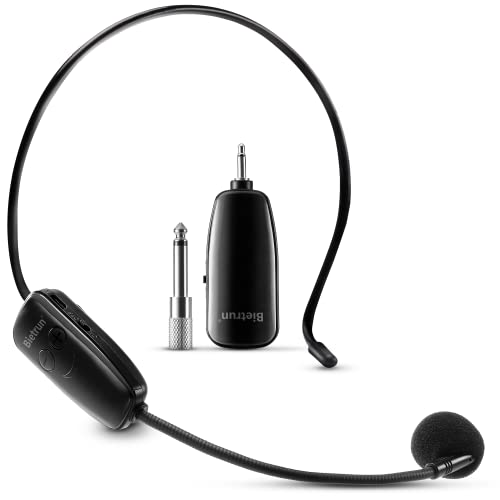
- Headset or handheld use
- 3.5 mm plug plus 6.35 mm adapter
- About six hours of stated battery life
Best For: Solo speakers with a compatible microphone-input amplifier
Best for Co-Presenters
Dual Wireless Headset Microphone System

- Two headset mics share one receiver
- Stated range up to 160 feet
- About eight hours of working time
Best For: Two hands-free speakers using a PA mic input
Best for Handheld Duets
JBL Wireless Two Microphone System
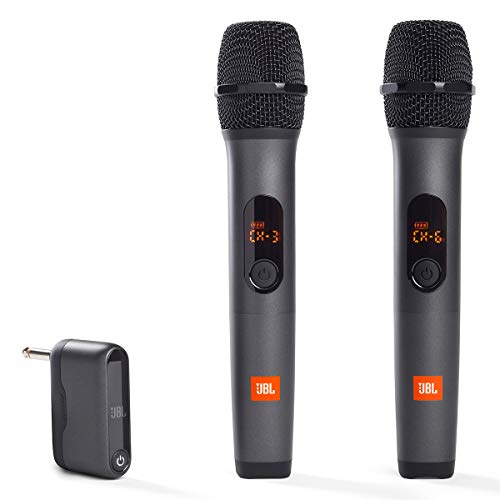
- Two handheld mics included
- Dual-channel receiver mixes voices
- Up to six hours of receiver playback
Best For: Two speakers with a compatible JBL PartyBox
Best for PA-Ready Venues
HUACAM Dual Handheld Microphones

- Two handheld mics included
- 6.35mm plug and 3.5mm adapter
- Up to 200 feet line of sight stated
Best For: Speeches using a PA or amplifier mic input
Best for Two Presenters – TONOR Dual-Bodypack UHF System
For teams comparing wireless microphones for presentations, this TONOR system gives two speakers their own bodypacks, with a choice of lapel or headset mics. Its receiver plugs into a 1/4-inch mic input on a compatible sound system.
Best For: Two presenters who need hands-free microphones and already have a PA speaker, mixer, or amplifier.
Pros:
- Includes two bodypacks, two lapel mics, and two headset mics.
- Offers a stated 200-foot line-of-sight range and 15 selectable frequencies per bodypack.
- Rechargeable receiver runs for a stated 6–8 hours; bodypacks have individual volume and mute controls.
Cons:
- Each bodypack needs two AA batteries, which are not included.
- Requires a sound system with a 1/4-inch mic input.
This is the practical pick when two people need to speak during the same event. Check your sound system’s input and bring spare AAs before presenting.
Best Portable Amplifier – WinBridge Clip-On Voice Amplifier
Among wireless microphones for presentations, the WinBridge is a self-contained voice-amplification option: its clip-on mic pairs with a portable 15W speaker. It suits presenters who need to be heard in a small or medium classroom without setting up a separate PA.
Best For: Teachers and presenters who want a portable speaker and wireless lapel mic together.
Pros:
- Clip-on mic leaves your hands free, and both units pair when switched on.
- Stated battery life is 12–15 hours for the speaker and over 10 hours for the mic.
- Mute buttons on both units and a dual USB-C charging cable simplify daily use.
Cons:
- The 15W amplifier is positioned for small to medium classrooms, not specified for large venues.
- The kit includes one microphone, so it is not a two-presenter setup.
Choose this if portability and quick setup matter more than connecting to an existing PA. It also supports Bluetooth playback from a phone or laptop.
Best for Recording Flexibility – Hotec Dual-Mic Wireless System
If your search for wireless microphones for presentations also involves recording, the Hotec kit includes two rechargeable bodypacks, lapel and headset mic options, and cables for phones and cameras. Its receiver also plugs into a 1/4-inch mic input on a compatible PA speaker or mixer.
Best For: Presenters who want two hands-free mics and accessories for phone or camera recording.
Pros:
- Includes two bodypacks plus two lapel and two headset microphones.
- Provides phone and camera cables, a hot-shoe mount, and a phone holder.
- Offers 32 selectable UHF frequencies per channel and a stated 100-foot line-of-sight range.
Cons:
- Its stated range is shorter than the 200-foot range listed for the TONOR systems here.
- Live amplification still requires a compatible PA speaker, mixer, or other mic-input device.
This kit makes sense when the same microphones need to serve presentations and recording projects. Check the inputs on your particular phone or camera before the event.
Best for One Presenter – TONOR Single-Bodypack UHF System
For solo speakers shopping for wireless microphones for presentations, this TONOR kit provides one bodypack with both a lapel and headset mic. The rechargeable receiver connects to a 1/4-inch mic input on a speaker, mixer, or amplifier.
Best For: One presenter who needs a hands-free mic for an existing sound system.
Pros:
- Choose between the included lapel and headset microphones.
- Stated 200-foot line-of-sight range and 15 selectable frequencies.
- Bodypack has an LCD, volume control, and ON/MUTE/OFF switch.
Cons:
- Bodypack requires two AA batteries, which are not included.
- Does not have a built-in speaker or Bluetooth connection; it needs compatible audio equipment.
This is a focused choice for a single speaker who already has amplification. The receiver’s stated 6–8-hour runtime should cover many sessions, but plan charging time between uses.
Rechargeable Solo Pick – Phenyx Pro PDP-1-1B
For a single presenter comparing wireless microphones for presentations, the Phenyx Pro PDP-1-1B offers both a headset and a lapel mic. Its rechargeable bodypack and compact plug-in receiver make it a practical option when you want to move around while speaking.
Best For: Solo presenters using a powered speaker, mixer, or PA system with a compatible 1/4-inch input.
Pros:
- Includes headset and lavalier microphones for a choice of wearing styles.
- Offers 15 selectable UHF frequencies and a stated 160–200 ft line-of-sight range.
- Both the bodypack and receiver charge via USB-C; the bodypack has a mute function.
Cons:
- Includes only one bodypack, so it does not equip multiple speakers out of the box.
- The receiver uses a 1/4-inch TS connection; check your sound system’s input before buying.
The two included mic styles are the main advantage for presenters who alternate between a discreet lapel setup and a more secure headset. Plan for a clear line of sight and keep the receiver antenna upright for the stated range.
Multi-Presenter Pick – TONOR TW364 Wireless System
For panels, training sessions, or shared speaking duties, this TONOR system stands out among wireless microphones for presentations because it includes four bodypack transmitters and a receiver designed to support four simultaneous sets. Its stated operating range is up to 200 ft.
Best For: Groups that need several presenters mic’d at once through a compatible mixer or powered speaker.
Pros:
- Includes four bodypacks and headset/lapel microphone options.
- Supports up to four simultaneous sets, with 10 channels on each bodypack.
- Bodypacks pair automatically with the receiver and have mute buttons.
Cons:
- Each bodypack needs two AA batteries, which are not included.
- The receiver needs its included power adapter and a suitable audio connection.
This is the more practical choice here when several people need to speak without passing one mic around. Check the included microphones against your preferred wearing style and budget for eight AA batteries before the first event.
Compact Headset Pick – Bietrun WXM01
If you need a simple, wearable option among wireless microphones for presentations, the Bietrun WXM01 pairs a headset-style microphone with a small plug-in receiver. It is intended for a microphone input on a compatible voice amplifier, speaker, or PA system—not an AUX input.
Best For: Solo speakers or instructors who already have a compatible mic-input amplifier and want a rechargeable headset.
Pros:
- Can be worn as a headset or used in handheld mode.
- Includes a 3.5 mm receiver plug and a 6.35 mm adapter.
- Built-in rechargeable batteries provide a stated operating time of about six hours.
Cons:
- Does not work through an AUX jack or directly with phones, laptops, or Bluetooth speakers, according to the supplied notes.
- Includes one microphone system, so additional speakers need separate equipment.
Its flexible wearing mode and included adapter suit a straightforward solo setup. Verify that your amplifier has a microphone input before ordering; the connector size alone does not make an AUX jack compatible.
Best for Co-Presenters – Dual Wireless Headset Microphone System
For wireless microphones for presentations where two people need their hands free, this 2.4G system pairs two headset transmitters with one receiver. It is designed to plug into a compatible PA system or amplifier rather than connect directly to a computer.
Best For: Co-presenters, instructors, and trainers using a PA system with a microphone jack.
Pros:
- Supports two headset mics at once through one receiver.
- Auto-pairing setup and a stated range of up to 160 feet.
- Rechargeable components offer about eight hours of working time; a 6.35mm adapter is included.
Cons:
- Requires a compatible microphone input; the notes exclude direct use with iPhones, Bluetooth speakers, PCs, and laptops.
- The supplied notes conflict on the receiver plug and included accessories, so check the listing before purchase.
Choose this one when shared, hands-free speaking matters more than direct computer connectivity. Confirm your sound system’s mic input and the included plug before ordering.
Best for Handheld Duets – JBL Wireless Two Microphone System
Among wireless microphones for presentations, this JBL set suits speakers who prefer passing handheld mics rather than wearing headsets. Its dual-channel receiver mixes two voices through a speaker, with a simple turn-on-and-use setup.
Best For: Two-speaker announcements or informal presentations using a compatible JBL PartyBox.
Pros:
- Includes two handheld microphones and a dual-channel receiver.
- Plug-and-play setup keeps preparation simple.
- Receiver offers up to six hours of playback; microphone AA batteries are replaceable.
Cons:
- Handheld mics do not leave both hands free.
- The supplied compatibility list names JBL PartyBox models, so verify your speaker before buying.
This is a straightforward choice for alternating speakers when handheld mics fit the format. For a different PA setup, check receiver compatibility first.
Best for PA-Ready Venues – HUACAM Dual Handheld Microphones
For wireless microphones for presentations in a classroom, church, or small venue, this HUACAM set provides two handheld mics and a receiver for an audio device with a microphone jack. The receiver auto-pairs with the mics, and a 3.5mm adapter is included.
Best For: Speeches and shared-mic sessions using a PA system or amplifier with a 6.35mm or 3.5mm mic input.
Pros:
- Two handheld microphones are included.
- Plugs into compatible 6.35mm mic jacks, with a 3.5mm adapter supplied.
- Specified for up to 200 feet line of sight.
Cons:
- Not compatible with phones, computers, tablets, or AUX inputs according to the notes.
- The notes give differing range figures, and either of two receiver versions may ship.
This set makes sense when your venue already has a suitable mic input. Treat the stated range as a maximum rather than a guarantee, and check the receiver version if its design matters to your setup.
How We Picked These Wireless Microphones for Presentations
We focused on the decisions that matter during a talk: microphone style, the number of people who can speak at once, receiver connections, and whether the system needs a separate speaker. The selection includes headset and lapel systems for hands-free delivery, handheld microphones for shared or audience use, a two-person option, and a wearable voice amplifier. Because venue layouts and wireless conditions vary, treat listed range figures as planning estimates rather than guarantees.
Quick Comparison: Which Setup Fits Your Talk?
- Headset: A good fit for instructors and active presenters who need consistent mic placement while turning or moving.
- Lapel: Less visible and convenient for talks with moderate movement, though clothing contact and changes in head position can affect sound.
- Handheld: Useful for introductions, Q&A, or passing a mic between speakers; it occupies a hand.
- Two-mic system: Consider one for interviews or co-presenters, but confirm the receiver can output both voices as your mixer requires.
- Voice amplifier: Consider a wearable speaker when you need a self-contained setup rather than a mic to feed a venue PA.
Key Buying Factors
Check the Entire Audio Path
Before choosing among Wireless Microphones for Presentations, identify where the receiver’s audio must go: a powered speaker, PA mixer, portable amplifier, or another device. Check the output plug size and the destination’s input type. A 1/4-inch plug does not automatically suit a 1/8-inch input, and a mic system by itself will not make sound without suitable amplification.
Match Mic Style to Movement
Headsets generally keep the capsule at a more consistent distance from your mouth. Lapels offer a discreet look but need careful placement away from rubbing fabric. A handheld mic can be easiest to share, provided speakers remember to hold it close enough for clear speech.
Plan for Power, Channels, and Range
Check whether the transmitter and receiver use replaceable batteries or rechargeable power, then plan for the length of the event and charging breaks. If several wireless systems will run nearby, look for channel or frequency options and coordinate with the venue. Published range is usually a best-case figure; walls, audience members, and other wireless equipment can reduce it. Test the system at the farthest point you’ll actually use.
Who Should Buy Which Wireless Microphones for Presentations?
Solo presenters should start with a single headset or lapel system that connects to their existing PA. Teachers and workshop leaders who move constantly may prefer a headset; a wearable amplifier can suit spaces without an installed sound system. Panels and interviews need enough simultaneous microphones for every active speaker, not merely two mics that must be alternated. Event hosts may find handhelds more practical for announcements and audience questions. Whatever you choose, confirm connections with the venue and run a sound check before people arrive.