
The right microphone preamp can bring cleaner gain, more character, and better control to an otherwise capable recording setup. For audiophiles, the goal is not simply louder output—it is preserving detail while choosing the tonal profile and features that suit each source.
We selected 10 microphone preamps for audiophiles across tube, transformer-based, channel-strip, 500 Series, USB, and inline designs. This comparison helps you narrow the field by sound, connectivity, flexibility, and value.
Best 10 Microphone Preamps for Audiophiles Picks for 2026
Colorful Class A Control

- Single-channel mic, line, and instrument preamp
- Three-band EQ for hands-on tone shaping
- Warm and punchy Class A sound profile
Best For: One-channel recording rigs needing integrated EQ
Tube Tone Flexibility

- Tube preamp with warm sound profile
- Variable input impedance and valve voicing
- Automatic instrument and mic preamp switching
Best For: Flexible tube character for guitar and microphone sources
Full-Bodied Single-Channel Gain

- One-channel mic, line, and instrument preamp
- Warm, full-bodied sound profile
- Balanced line-level output with multiple connectors
Best For: Tone-focused single-channel studio recording
Tube-Enhanced Signal Shaping
Behringer MIC2200 Tube Preamplifier
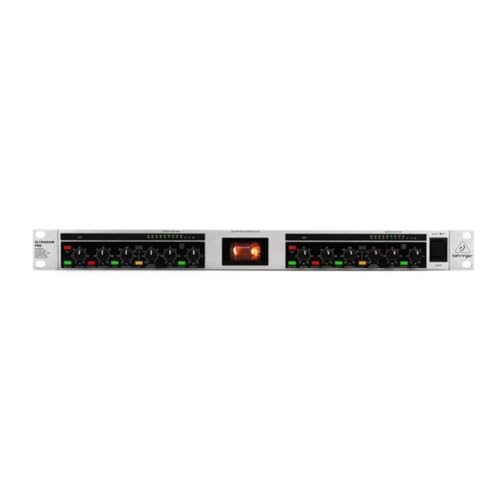
- Hand-selected 12AX7 tube and discrete input stage
- Integrated fully parametric EQs
- 10 Hz–200 kHz bandwidth with independent line driver
Best For: Flexible tube preamp and EQ signal shaping
Warm Audio Choice

- Two-channel mic, line, and instrument preamp
- Metal alloy steel enclosure
- Designed for flexible studio connections
Best For: Two-channel home and project studio recording
Channel-Strip Control

- Integrated compression, de-essing, enhancement, and gating
- XLR mic and 1/4-inch TRS inputs
- Rack-mountable 1U design with metering LEDs
Best For: Vocal and instrument chains needing onboard processing
USB Tube Flexibility
Behringer MIC500USB Preamplifier

- 16 modeled preamp voicings
- Built-in USB/audio interface
- Supports mic, instrument, and line-level sources
Best For: Computer-based recording and podcast workflows
Classic 500-Series Character

- Up to 80 dB of microphone gain
- Mic, line, and instrument support
- Switchable impedance, DI, phantom power, and LED meter
Best For: 500 Series users needing a versatile single-channel preamp
Flexible Studio Front End

- One-channel preamp and DI
- +48V phantom power and polarity reverse
- Highpass filter and Air boost
Best For: Project studios recording microphones and high-impedance instruments
Low-Noise Inline Gain
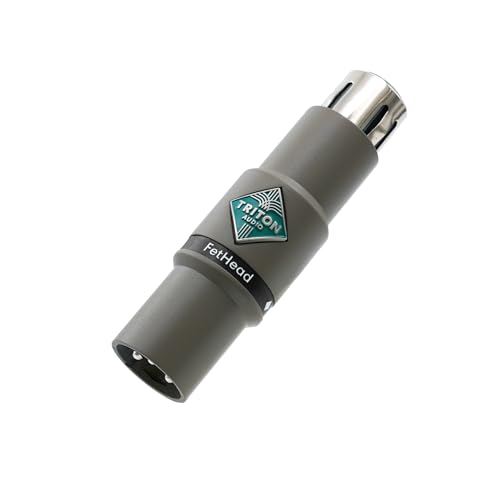
- Low-noise Class-A JFET amplifier
- Four matched JFETs in a shielded enclosure
- Compact 2.72-ounce design
Best For: Compact inline microphone gain applications
Colorful Class A Control – Warm Audio WA73-EQ
For audiophiles seeking microphone preamps with hands-on tone shaping, the Warm Audio WA73-EQ combines a single-channel Class A mic, line, and instrument preamp with a three-band EQ. Its listed warm and punchy sound profile makes it a practical choice when you want preamplification and basic equalization in one unit.
Best For: Recording setups that need one channel of warm, punchy preamp tone with integrated three-band EQ.
Pros:
- Supports mic, line, and instrument sources.
- Class A amplifier design with a warm and punchy sound profile.
- Built-in three-band EQ provides direct tonal adjustment.
Cons:
- Provides one output channel, so larger recording sessions may require additional channels.
- Uses corded electric power rather than a portable power source.
The WA73-EQ is especially appealing if you value straightforward analog control and want EQ available before the signal reaches the rest of your recording chain.
Tube Tone Flexibility – ART TPS II Tube Preamplifier
The ART TPS II is a tube-based option for audiophiles comparing microphone preamps with adjustable input and voicing controls. Its variable input impedance, Variable Valve Voicing, and separate LED input and analog output meters offer useful ways to tailor and monitor a single-channel signal.
Best For: Guitar and microphone setups seeking warm tube character with flexible impedance and valve-voicing adjustments.
Pros:
- Tube amplifier design with a warm sound profile.
- Variable input impedance and Variable Valve Voicing expand tonal flexibility.
- Automatically switches between instrument and mic preamp operation.
- Offers a wide 5 Hz–50 kHz frequency response and output protection limiter.
Cons:
- Single-channel design limits simultaneous source processing.
- Its corded, rack-style format is less suited to portable setups.
Choose the TPS II when the ability to shape tube voicing and input interaction matters more than keeping the preamp completely minimal.
Full-Bodied Single-Channel Gain – Warm Audio WA73
For listeners and recordists who want a focused analog front end, the Warm Audio WA73 delivers one channel of mic, line, and instrument preamplification. Its supplied specifications describe a warm, full-bodied sound profile and balanced line-level output, making it a straightforward fit for interface, console, and microphone-based workflows.
Best For: Single-channel studio systems that prioritize warm, full-bodied preamp tone and balanced output.
Pros:
- Accepts microphone, line, and instrument sources.
- Warm, full-bodied sound profile suits tone-focused recording.
- Provides balanced line-level output.
- Includes XLR, 1/4-inch, and IEC connectors.
Cons:
- One channel may be limiting for stereo or multi-microphone recording.
- It does not list an integrated EQ in the supplied specifications.
The WA73 is a sensible choice when you want the core character of a warm preamp without adding an onboard equalizer to the signal path.
Tube-Enhanced Signal Shaping – Behringer MIC2200 Tube Preamplifier
Behringer ULTRAGAIN PRO MIC2200 Audiophile Vacuum Tube Microphone/Line Preamplifier
Check Price On AmazonThe Behringer ULTRAGAIN PRO MIC2200 offers audiophiles a microphone preamp platform that combines a hand-selected 12AX7 tube with discrete input circuitry and integrated parametric EQs. Its ultra-wide 10 Hz–200 kHz bandwidth and independent line driver also make it useful when you need both tonal control and level conversion in a rack-style unit.
Best For: Users wanting tube-enhanced microphone or line preamplification with onboard parametric EQ and line-level conversion.
Pros:
- Uses a hand-selected 12AX7 tube for an ultra-musical sound.
- Includes fully parametric EQs with center-frequency, bandwidth, and level controls.
- Offers an ultra-wide 10 Hz–200 kHz bandwidth.
- Independent line driver converts -10 dBV to +4 dBu pro level.
Cons:
- The supplied connector details list USB Type A, which may require checking compatibility with your existing analog setup.
- The supplied specifications do not state the number of output channels.
The MIC2200 stands out for buyers who want more than basic gain: its tube stage, parametric EQ, and line-driver functions support a configurable signal path.
Warm Audio Choice – WA273 Microphone Preamp
For audiophiles seeking microphone preamps for audiophiles with a traditional two-channel setup, the Warm Audio WA273 provides mic, line, and instrument preamp functionality in a metal alloy steel enclosure. Its two output channels make it a practical fit for recording setups that need more than one source at a time.
Best For: Home and project studios needing two channels for microphones, line-level sources, or instruments.
Pros:
- Two-channel mic, line, and instrument preamp design
- Supports microphones, audio interfaces, mixing consoles, computers, and laptops
- Metal alloy steel enclosure
Cons:
- Uses corded electric power rather than portable battery operation
- Specific onboard processing features are not listed in the supplied details
The WA273 is a straightforward option when channel count and source flexibility matter more than an extensive feature set. Consider it for a compact, two-channel recording chain.
Channel-Strip Control – dbx 286s Microphone Preamp
The dbx 286s combines a microphone and instrument preamp with four independent processing sections, making it a versatile choice among microphone preamps for audiophiles. Compression, de-essing, enhancement, and expander/gate functions let you shape a signal before it reaches the rest of your recording or mixing chain.
Best For: Vocalists, project studios, and rack-based setups that want preamp and channel-strip processing in one unit.
Pros:
- Includes compression, de-esser, enhancer, and expander/gate sections
- Accepts XLR microphone input and 1/4-inch TRS line input
- Rack-mountable 1U format with status LEDs
- Loop-out and insert connections support additional processing
Cons:
- Single-channel design
- More involved than a basic preamp if you only need clean gain
- Requires corded electric power
Choose the 286s when hands-on signal control is central to your workflow. Its integrated processing can help organize a vocal or instrument path while leaving room for external processors through the loop-out and insert connections.
USB Tube Flexibility – Behringer MIC500USB Preamplifier
The Behringer MIC500USB pairs vacuum-tube preamplification with preamp modeling and a built-in USB/audio interface. For listeners and creators comparing microphone preamps for audiophiles, its 16 voicings offer a way to tailor sources such as vocals, guitars, keyboards, bass, and drums while connecting directly to a computer.
Best For: Recordists and podcasters who want modeled preamp voicings plus direct USB connectivity.
Pros:
- Offers 16 preamp voicings for microphones, instruments, and line-level sources
- Built-in USB/audio interface connects directly to a computer
- Designed for condenser microphones, instruments, and line-level sources
- Includes recording, editing, podcasting software, and instrument/effect plug-ins
Cons:
- Supplied details list two channels but do not describe the channel layout
- USB compatibility is specifically listed for laptops and smartphones
- Uses corded electric power
The MIC500USB is a flexible choice for users who want more than a fixed preamp character. Its modeled voicings and USB interface make it especially convenient for computer-based recording and podcast workflows.
Classic 500-Series Character – PRE-573 MKIII
The Golden Age Project PRE-573 MKIII is a flexible choice for audiophiles seeking microphone preamps with substantial gain and studio-friendly control. This one-channel 500 Series module provides up to 80 dB of microphone gain, plus mic, line, and instrument inputs, switchable impedance, phantom power, DI connectivity, and an LED output meter.
Best For: Audiophiles building a 500 Series rack who want one preamp for microphones, line sources, and instruments.
Pros:
- Offers up to 80 dB of microphone gain.
- Supports microphone, line, and instrument sources in one channel.
- Includes switchable impedance, phantom power, DI connectivity, and an LED output meter.
- Backed by a 2-year warranty.
Cons:
- It is a single-channel module.
- Requires a compatible 500 Series setup and corded power.
Choose the PRE-573 MKIII if versatility and high available gain matter more than having multiple channels in one unit. Its broad input support and monitoring features make it a practical centerpiece for a modular recording system.
Flexible Studio Front End – Pre73 Jr MKII
The Pre73 Jr MKII suits audiophiles comparing microphone preamps for a compact recording setup. This one-channel microphone preamp and DI includes +48V phantom power, polarity reverse, a highpass filter, and an Air boost, while supporting microphones, electric guitar, and other high-impedance instruments.
Best For: Home and project studios that need a single-channel preamp/DI with useful source-shaping controls.
Pros:
- Combines microphone preamp and DI functions in one channel.
- Provides +48V phantom power and polarity reverse.
- Includes a highpass filter and Air boost.
- Supports microphones, electric guitar, and high-impedance instruments.
Cons:
- Only one channel is provided.
- Its listed connectivity is XLR, so users should confirm compatibility with their setup.
The Pre73 Jr MKII is a strong fit when straightforward recording flexibility is the priority. Its combination of DI support and practical filtering and voicing controls gives one channel several useful studio roles.
Low-Noise Inline Gain – Triton Audio FetHead
The Triton Audio FetHead is a compact option for audiophiles looking for microphone preamps in an inline format. Its low-noise Class-A JFET amplifier uses a double single-ended topology, four matched JFETs, and a shielded enclosure, making it a focused gain solution rather than a full feature preamp.
Best For: Users seeking a small, low-noise inline microphone preamp with a shielded enclosure.
Pros:
- Uses a low-noise Class-A JFET amplifier.
- Features four matched JFETs and a double single-ended amplifier topology.
- Includes a shielded enclosure.
- Compact and lightweight at 2.72 ounces.
Cons:
- Provides an inline preamp design rather than the broader controls of a full studio preamp.
- The supplied notes do not list features such as phantom power, impedance switching, or metering.
The FetHead makes the most sense when size, low-noise amplification, and a focused signal path are your main concerns. Consider it for setups where an inline form factor is more useful than extensive front-panel control.
How We Picked the Best Microphone Preamps for Audiophiles
We evaluated these models by looking at the factors that most affect real-world recording quality and usability: available gain, noise performance, tonal character, input and output flexibility, controls, build quality, and intended studio role. We also considered whether each unit makes sense as a dedicated preamp, a channel strip, a front end for a quality interface, or a compact solution for difficult-to-drive microphones.
The selection includes single-channel and dual-channel designs, tube and solid-state circuits, 500 Series modules, rack-style units, and inline boosters. That range matters because “best” depends on whether you want coloration, transparency, portability, or a broader set of recording controls.
Quick Comparison
| Type | Best suited to | What to look for |
|---|---|---|
| Vintage-style transformer preamp | Vocals, guitars, drums, and tone shaping | Transformer character, impedance options, EQ or multiple gain stages |
| Tube preamp | Warmth and harmonic color | Tube design, headroom, noise control, and output flexibility |
| Channel strip | Consistent vocal and speech tracking | Compression, de-essing, gating, and enhancer controls |
| 500 Series preamp | Modular studio rigs | Rack compatibility, power requirements, and chassis space |
| Inline preamp | Low-output dynamic and ribbon microphones | Clean gain, phantom-power operation, and low added noise |
Key Buying Factors for Microphone Preamps for Audiophiles
Gain, Noise, and Headroom
Make sure the preamp provides enough clean gain for your quietest microphone without forcing the input stage into unwanted noise. Strong headroom is equally important for loud sources and transient-heavy recordings. Inline boosters can help low-output microphones, but they require a suitable primary preamp behind them.
Color Versus Transparency
Transformer and tube circuits can add saturation, weight, and harmonic texture, while cleaner designs aim to preserve the source more neutrally. Neither approach is universally better. Choose coloration when you want a recognizable recorded tone; choose transparency when mixing flexibility and faithful capture matter most.
Connectivity and Workflow
Check whether you need XLR-only operation, line-level outputs, USB connectivity, or compatibility with a 500 Series rack. Dual-channel units are useful for stereo sources, while channel strips can reduce the need for separate hardware during tracking. Phantom power, polarity reversal, input impedance, and metering are also practical considerations.
Controls and Expandability
Basic preamps may be ideal when you already own external processors. If you record vocals or spoken word regularly, compression, de-essing, gating, and EQ can make an integrated channel strip more efficient. For a growing hardware collection, modular 500 Series equipment offers a flexible upgrade path.
Who Should Buy Which Microphone Preamps for Audiophiles?
Choose a vintage-style preamp if you want recognizable console-inspired color and a versatile front end for vocals or instruments. A tube model is a better fit for listeners and engineers who specifically want warmth and harmonic richness. Consider a channel strip when you want to shape a vocal or voice recording before it reaches the interface.
A 500 Series unit suits a modular studio with an appropriate powered chassis. A dual-channel preamp is practical for stereo recording or tracking two sources at once. Finally, choose an inline preamp when your microphone is gain-hungry and your existing interface or mixer needs a clean boost rather than another full-featured channel.