
The right microphone preamp can make a quiet dynamic microphone easier to record, especially when your interface or mixer lacks clean gain. For podcasters, that means more usable headroom, less noise, and a simpler path to a polished voice track.
This roundup compares 10 options across inline boosters, standalone preamps, USB interfaces, microphone-integrated designs, and podcast bundles. The best choice depends on your microphone type, available connections, phantom-power needs, and whether you record alone or with guests.
Best 10 Microphone Preamp for Podcasting Picks for 2026
Best Inline Gain Booster

- Adds up to +25 dB of gain
- Works with passive and ribbon microphones
- Requires phantom-powered microphone input
Best For: Clean inline gain for passive podcast microphones
Best Budget USB Interface
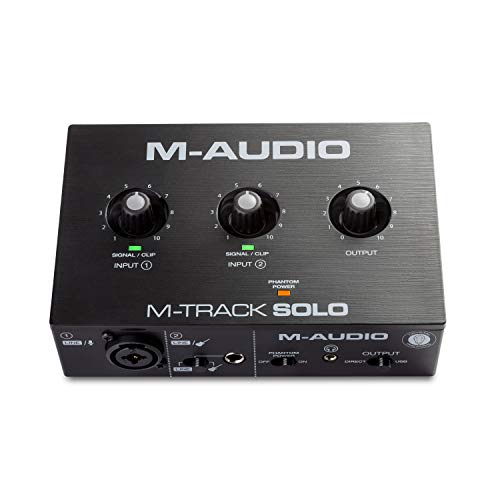
- USB interface with balanced XLR input
- Provides phantom power and direct monitoring
- Supports podcasting, recording, and streaming
Best For: Beginner solo podcasters using Mac or PC
Best High-Gain Standalone Preamp

- Offers 19–66 dB of variable gain
- Includes XLR, TRS, and TS outputs
- Uses Type-C power for portable setups
Best For: Flexible microphone and instrument recording chains
Best Microphone With Built-In Preamp

- Built-in preamp offers +18 or +28 dB gain
- Cardioid design focuses spoken-word capture
- Includes tone controls and XLR connectivity
Best For: Premium podcasting and streaming with a simplified signal chain
Dynamic Mic Signal Booster

- Adds up to 29dB of clean gain for dynamic and ribbon mics
- Compact metal XLR design with interference shielding
- Requires 48V phantom power and does not support condenser mics
Best For: Single-mic podcast setups using low-output dynamic microphones
Two-Person Podcast Bundle
MAONO MaonoCaster AME2 Audio Bundle

- Includes interface, two condenser microphones, and accessories
- Up to 60dB of gain with phantom-power support
- Adds sound pads, Bluetooth, reverb, auto-tune, and loopback
Best For: Two-person podcasts and streaming setups needing an all-in-one system
Dual-Channel Mic Booster

- Boosts two dynamic or passive ribbon mics by up to 25dB
- Balanced XLR I/O and compact metal housing
- Requires 48V phantom power and is not for condenser mics
Best For: Two-microphone podcasting with passive dynamic or ribbon microphones
Versatile 3-Input Booster
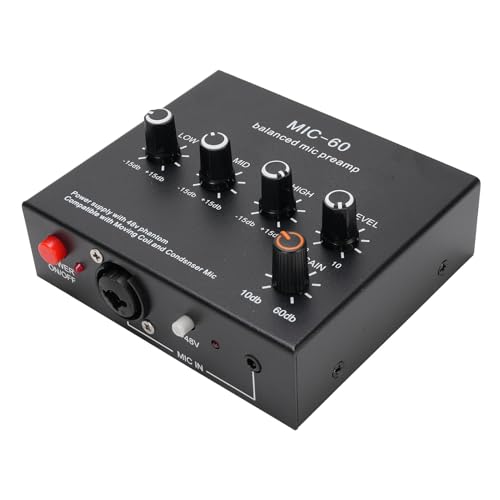
- Up to +60dB gain for dynamic microphones
- 48V phantom power for condenser mics
- XLR, 3.5mm, and 6.35mm connectivity
Best For: Flexible podcast and live-streaming setups
High-Gain Low-Noise Pick

- Up to +75dB transparent gain
- Stated -120dB EIN noise performance
- Balanced XLR and dual 3.5mm outputs
Best For: Low-output dynamic microphones and quiet recording
Portable Rechargeable Option

- Rechargeable for portable recording
- 20dB clean balanced gain
- 48V power with XLR output
Best For: Mobile podcasting and compact recording rigs
Best Inline Gain Booster – Cloudlifter CL-1
The Cloudlifter CL-1 is a focused choice for anyone building a microphone preamp for podcasting setup around a passive or low-output microphone. It uses phantom power to add up to 25 dB of gain while keeping phantom power from reaching the microphone, helping strengthen quiet signals without changing the basic character of the mic.
Best For: Podcasters, streamers, and home-studio users who need clean inline gain for compatible passive microphones.
Pros:
- Adds up to +25 dB of microphone gain.
- Designed to reduce unwanted noise while improving signal strength and clarity.
- Compatible with tube, battery-powered, and passive ribbon microphones.
- Compact, USA-made, single-channel XLR design.
Cons:
- Requires an audio input with phantom power.
- It is an inline activator, not a complete USB audio interface.
The CL-1 makes the most sense when your existing interface sounds good but lacks enough gain for a passive microphone. Its single-channel design keeps the signal path simple, though you will still need a separate interface or mixer.
Best Budget USB Interface – M-Audio M-Track Solo
The M-Audio M-Track Solo is a practical starting point if your microphone preamp for podcasting needs to include the interface itself. It connects to a Mac or PC over USB, provides a balanced XLR input with phantom power, and supports direct monitoring for recording, podcasting, and live streaming.
Best For: Beginners and mobile creators who need an affordable USB interface for microphones, instruments, recording, and streaming.
Pros:
- Includes a combo XLR/line input with phantom power.
- Offers a transparent Crystal preamp for microphone use.
- Provides zero-latency monitoring through a USB/Direct switch.
- Compact design with headphone and stereo RCA outputs.
Cons:
- Maximum sample rate is 48 kHz.
- Only one microphone input is provided.
Choose the M-Track Solo when you want a simple recording hub rather than a standalone gain booster. Its single mic input suits solo podcasting, while the additional line/instrument input adds flexibility for music and other sources.
Best High-Gain Standalone Preamp – Rodyweil RO03 Mic Preamp
The Rodyweil RO03 is a versatile standalone microphone preamp for podcasting when you need substantial adjustable gain or connections beyond a basic inline booster. It offers 19–66 dB of gain, Type-C power, and XLR, TRS, and TS outputs, with the manufacturer recommending a TRS line-input connection to an interface for the lowest noise.
Best For: Podcasters and home recordists pairing dynamic, condenser, ribbon, or instrument sources with an existing interface or mixer.
Pros:
- Provides a practical 19–66 dB variable gain range.
- Designed with a stated -120 dBV EIN low-noise specification.
- Supports microphone and instrument applications.
- Offers XLR, TRS, and TS output options plus Type-C power.
Cons:
- The two input ports cannot operate simultaneously.
- Correct cabling is important; the maker recommends using an interface TRS line input.
- It requires a separate interface, mixer, or compatible destination device.
The RO03 is appealing for flexible setups that need more gain control than a fixed inline activator. Its connection guidance matters, so plan the signal path carefully and use the recommended TRS route when possible.
Best Microphone With Built-In Preamp – Shure SM7dB
The Shure SM7dB combines a dynamic vocal microphone with a built-in preamp, making it a streamlined alternative to adding a separate microphone preamp for podcasting. Its selectable +18 dB or +28 dB onboard gain is designed to work with virtually any XLR interface, while the cardioid pattern and isolation features help keep spoken-word recordings focused.
Best For: Podcasters and streamers who want the SM7B-style vocal character with onboard gain and simple XLR connectivity.
Pros:
- Built-in preamp provides selectable +18 dB or +28 dB gain.
- Cardioid pickup and shock isolation help reject room and handling noise.
- Rear-panel bass-roll-off and presence-boost controls shape the vocal tone.
- Rugged metal construction includes electromagnetic shielding.
Cons:
- Requires power for its built-in preamp.
- It is a microphone rather than a separate multi-input preamp.
- Its 2.7-pound build may be more than some compact setups need.
The SM7dB is a strong all-in-one solution for creators who want fewer boxes in the signal chain. It costs more than an inline booster, but the integrated gain controls and familiar dynamic vocal design can simplify a dedicated podcast setup.
Dynamic Mic Signal Booster – StudioMan DPM1 XLR Preamp
If your dynamic microphone sounds quiet or forces you to raise your interface gain until hiss becomes noticeable, the StudioMan DPM1 is a focused microphone preamp for podcasting. It adds up to 29dB of gain between a compatible XLR microphone and interface or mixer, helping strengthen the signal without replacing your existing equipment.
Best For: Podcasters and streamers using low-output dynamic or passive ribbon microphones with an interface or mixer that provides 48V phantom power.
Pros:
- Provides up to 29dB of clean, transparent gain.
- Compact metal housing helps with durability and interference shielding.
- Uses standard XLR connections and a plug-and-play setup.
Cons:
- Not compatible with condenser microphones.
- Requires 48V phantom power, which is not included.
- Designed for one microphone channel.
The DPM1 is a practical upgrade for a single dynamic-mic podcast setup, especially when your current interface has enough features but not quite enough clean gain. Confirm your microphone type and phantom-power availability before buying.
Two-Person Podcast Bundle – MAONO MaonoCaster AME2 Audio Bundle
For creators starting or expanding a two-person show, the MAONO MaonoCaster AME2 combines a microphone preamp for podcasting with an audio interface, microphones, and production controls. Its built-in preamps offer up to 60dB of gain, while the included microphones and sound effects are intended to make a home recording setup easier to assemble.
Best For: Two-person podcasts, livestreams, and content creators who want an all-in-one interface bundle with microphones, sound pads, Bluetooth, and multiple connection options.
Pros:
- Includes an audio interface, XLR condenser microphone, 3.5mm condenser microphone, cables, stands, shock mounts, and pop filters.
- Built-in preamps provide up to 60dB of gain and support phantom power for XLR microphones.
- Offers 11 customizable sound pads, reverb, auto-tune, tone controls, Bluetooth, and loopback features.
- Supports PC, smartphone, tablet, camera, Windows, and Mac OS connections.
Cons:
- It is a larger bundle rather than a compact standalone preamp.
- The included microphones are condenser models, so this package is not aimed specifically at dynamic-mic users.
- The many effects and routing options may be more than a simple podcast needs.
The AME2 is best viewed as a complete two-person podcasting system rather than merely a gain booster. It offers useful room to grow for creators who want recording, streaming, and live-production controls in one package.
Dual-Channel Mic Booster – StudioMan CL-200 XLR Preamp
The StudioMan CL-200 is a useful microphone preamp for podcasting when two passive microphones need more level before reaching an interface or mixer. It supplies up to 25dB of gain per channel, uses balanced XLR input and output, and is powered by 48V phantom power from compatible equipment.
Best For: Two-person podcasts, voice-over work, and studio or live setups using dynamic or passive ribbon microphones.
Pros:
- Dual-channel design can boost two microphone signals at once.
- Provides up to 25dB of gain with low stated noise and distortion.
- Compact metal housing and balanced XLR connections suit studio or stage use.
- Supports longer cable runs from the booster to the interface or mixer.
Cons:
- Not compatible with condenser microphones because it does not pass phantom power to them.
- Requires 48V phantom power from a mixer, interface, or preamp.
- The microphone-to-booster cable is recommended to be shorter than 30 feet.
Choose the CL-200 when your podcast setup has two quiet dynamic or passive ribbon microphones and you want a shared gain solution. Its dual-channel format makes it more suitable than a single-channel booster for co-hosted recordings.
Versatile 3-Input Booster – Compact 60dB Podcast Preamp
For podcasters who need flexible connections, this microphone preamp for podcasting offers up to 60dB of gain, 48V phantom power, and several output options. Its compact metal housing suits home studios, streaming setups, and portable recording rigs.
Best For: Podcasters using both dynamic and condenser microphones who want multiple input and output formats.
Pros:
- Provides up to +60dB of gain with low distortion and minimal latency.
- Supports dynamic and condenser microphones with 48V phantom power.
- Offers XLR balanced, 3.5mm, and 6.35mm connections for varied setups.
- Compact, lightweight metal housing helps reduce interference.
Cons:
- The listed warranty is limited to 90 days.
- Its three-input, multi-output design may be more than a simple single-mic podcast setup needs.
This is a practical choice when your podcast workflow includes mixers, interfaces, speakers, or live-streaming equipment. The broad connectivity is its main advantage, while the short warranty is worth considering before purchase.
High-Gain Low-Noise Pick – 75dB MIC-1 Podcast Preamp
This microphone preamp for podcasting is designed for quiet-source recording and low-output dynamic microphones. It combines up to 75dB of gain with a stated -120dB EIN noise performance, plus balanced XLR and auxiliary 3.5mm outputs.
Best For: Podcasters recording with demanding dynamic microphones, compact devices, or instrument sources through a DI box.
Pros:
- Delivers up to +75dB of clean, transparent gain.
- States -120dB EIN performance for low-noise recording.
- Includes 48V phantom power for condenser microphones.
- Provides balanced XLR plus separate 3.5mm mic and line outputs.
Cons:
- The two input ports cannot operate simultaneously.
- The product description does not specify the included accessories.
With its high gain ceiling and multiple output levels, the MIC-1 is especially appealing for voice recording where clean amplification matters. The single-input-at-a-time limitation makes it less suitable for directly combining two sources.
Portable Rechargeable Option – Low-Noise 20dB Mic Booster
For a streamlined microphone preamp for podcasting, this rechargeable booster emphasizes portability and clean operation. It provides 20dB of gain, 48V power, and an XLR output in a compact metal case designed for home studios, recording, and live streaming.
Best For: Mobile podcasters and creators who want a compact rechargeable booster for compatible dynamic or condenser microphones.
Pros:
- Rechargeable design is convenient for portable recording.
- Fully balanced circuitry is designed for low noise and no added coloration.
- Includes 48V power for dynamic and condenser microphone compatibility.
- Compact, lightweight housing is easy to carry and store.
Cons:
- Its 20dB gain is lower than the gain offered by the other listed models.
- The notes identify an XLR output but do not detail additional output formats.
- Battery runtime and charging details are not provided.
This model makes the most sense when portability and simple operation matter more than maximum gain or extensive routing. Its rechargeable format can simplify mobile setups, but creators needing substantial amplification or several connections may prefer a higher-gain alternative.
How We Picked the Best Microphone Preamp for Podcasting
We focused on practical features that matter in spoken-word recording: clean gain, noise performance, microphone compatibility, connection type, phantom-power handling, build quality, and setup complexity. The selection includes compact inline activators for low-output dynamic microphones, multi-input preamps for interviews, USB interfaces for computer recording, and all-in-one podcast equipment.
Because product specifications and included accessories can vary, verify the current listing before buying—particularly gain range, input count, power requirements, and whether an XLR cable, power supply, or interface is included.
Quick Comparison
| Best For | Recommended Type | What to Prioritize |
|---|---|---|
| Quiet dynamic microphone | Inline preamp or activator | Clean gain, phantom-power compatibility |
| Computer-based solo podcast | USB audio interface | Driver support, monitoring, gain control |
| Two-person recording | Two-channel preamp or podcast bundle | Two XLR inputs, independent controls |
| Condenser microphone | Standalone preamp or interface | Reliable 48V phantom power |
| Portable recording | Rechargeable or compact preamp | Battery life, output compatibility |
Key Buying Factors for a Microphone Preamp for Podcasting
Gain and Noise
Dynamic and ribbon microphones often need substantially more gain than condensers. Choose enough clean gain to reach a healthy recording level without maxing out the input. A high gain figure alone does not guarantee a quiet result; look for a low equivalent input noise rating and leave headroom for loud speech.
Connections and Signal Path
Inline boosters sit between the microphone and interface, while standalone units may provide XLR inputs and outputs or additional line and headphone connections. Confirm that your interface, mixer, camera, or recorder accepts the preamp’s output. A USB interface is usually the simplest option when recording directly to a computer.
Phantom Power
Many inline activators require 48V phantom power from the connected interface, even though they are designed for dynamic microphones. Passive ribbon microphones need special care: check the manufacturer’s guidance before applying phantom power. Condenser microphones generally require it to operate.
Inputs, Monitoring, and Controls
For co-hosts or guests, two independent XLR channels are more useful than a single high-gain input. Podcasters should also consider headphone monitoring, direct-monitoring latency, mute controls, and separate gain knobs. These features can prevent clipping and make live recording easier.
Power and Portability
Bus-powered interfaces are convenient at a desk, while rechargeable models can suit mobile setups. Check whether the unit needs a wall adapter, USB power, batteries, or phantom power from another device.
Who Should Buy Which Microphone Preamp for Podcasting?
Choose an Inline Booster for a Simple Upgrade
If you already own a compatible interface and only need more clean gain for a low-output dynamic microphone, an inline activator is compact and cost-effective.
Choose a USB Interface for Computer Recording
Solo creators who want a straightforward microphone-to-laptop workflow should consider a USB interface with a quality preamp, headphone output, and direct monitoring.
Choose a Two-Channel Unit for Interviews
Recording two XLR microphones calls for two preamp channels and independent level control. This is preferable to relying on splitters or repeatedly swapping microphones.
Choose a Bundle for a Ready-Made Setup
New podcasters may get better value from a package that combines the interface, microphone, and essential controls. Confirm compatibility and included accessories before ordering.