
A condenser microphone with low self-noise helps preserve quiet vocal details, acoustic instruments, room tone, and spoken-word clarity without adding distracting hiss.
We compare 10 studio-focused options across sound quality, connection types, pickup patterns, price, and practical features so you can choose confidently for recording, streaming, podcasting, or broadcasting.
Best 10 Condenser Microphone with Low Self Noise Picks for 2026
Quiet Studio Classic
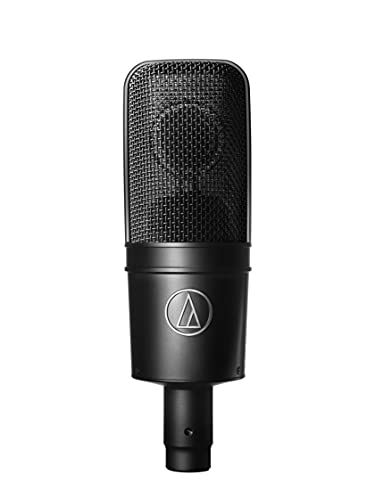
- Exceptionally low-noise true condenser design
- Smooth large-diaphragm sound
- Includes shock mount and carrying case
Best For: XLR studio recording, vocals, and streaming
Low-Noise Recording Value

- 7 dB stated audible noise
- Detailed one-inch true condenser capsule
- Shock mount and pop filter included
Best For: Home studios, vocals, and varied instruments
USB/XLR Silent Studio Pick

- 4 dB stated audible noise
- USB-C and XLR connectivity
- 32-bit float USB output and accessories included
Best For: Computer recording and flexible home studios
Pattern-Control Workhorse

- Continuously variable polar pattern
- 1.1-inch gold-sputtered diaphragm
- Shock mount and internal pop filter included
Best For: Flexible XLR studio placement and pattern control
Quiet Studio Favorite
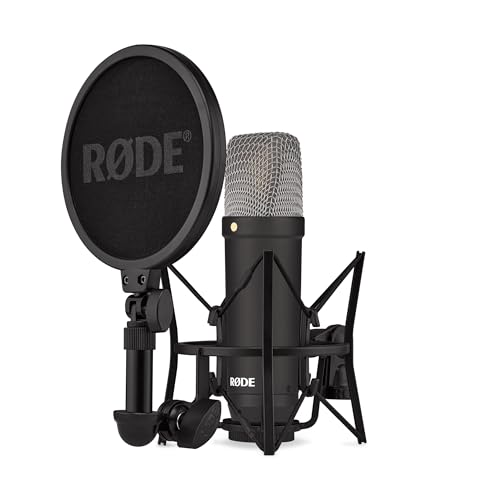
- 4.5 dBA self-noise rating
- Cardioid pattern for vocals and streams
- Includes shock mount, pop filter, and XLR cable
Best For: Vocalists and streamers building an XLR recording setup
Balanced Low-Noise Pick
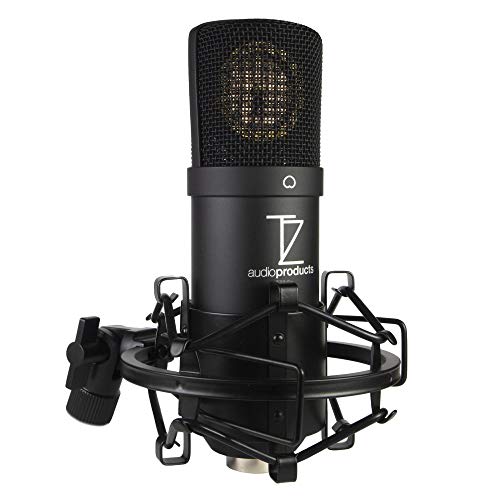
- Less-than-13 dBA noise floor
- Neutral response designed to avoid harshness
- Includes case and spring shock mount
Best For: Home studios recording vocals and varied sources
Precision Studio Upgrade

- Ultra-low self-noise studio design
- Neutral voicing with strong off-axis rejection
- Includes shock mount and magnetic pop filter
Best For: Studio recording where clean, controlled sound is important
Budget Studio Pick

- Affordable large-diaphragm condenser
- Cardioid pattern reduces ambience
- Includes shock mount and XLR cable
Best For: Home studios and budget recording setups
Low-Noise Detail Pick

- 81 dB signal-to-noise ratio
- Handles up to 156 dB SPL
- Includes attenuator and bass-cut filter
Best For: Close-up vocals, solo instruments, and loud sources
Modern Broadcast Pick
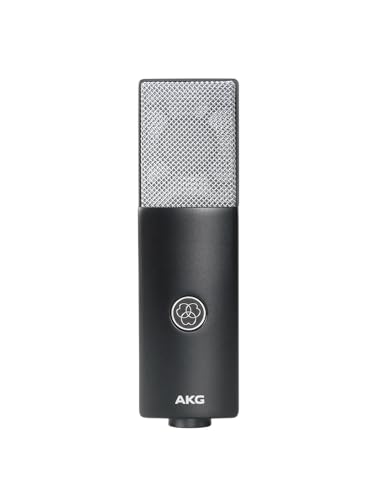
- 30 dB audible-noise specification
- Cardioid design for focused capture
- Includes H81 stand mount
Best For: Podcasting, streaming, broadcasting, and studio work
Quiet Studio Classic – AT4040
The Audio-Technica AT4040 is a practical choice if you need a condenser microphone with low self noise for vocals, streaming, and studio recording. Its large diaphragm, wide dynamic range, and high-SPL capability support a broad range of sources.
Best For: Vocal recording, streaming, and detailed studio work with an XLR audio interface.
Pros:
- Exceptionally low noise with an 82 dB signal-to-noise ratio.
- Large diaphragm provides smooth, natural sound.
- Transformerless circuitry helps reduce low-frequency distortion.
- Includes a shock mount, dust cover, and protective carrying case.
Cons:
- Requires an XLR connection and compatible audio interface or preamp.
- Does not offer a USB connection.
The AT4040 stands out for its low-noise performance and flexible handling of loud sources. It is especially suitable for buyers building a traditional XLR-based recording setup.
Low-Noise Recording Value – LCT 440 PURE
The LEWITT LCT440PURE is a strong option when you want a condenser microphone with low self noise and clear detail without adding complicated controls. Its one-inch true condenser capsule and cardioid pattern suit vocals and a wide range of instruments.
Best For: Home recording, vocals, acoustic instruments, drums, cymbals, amplifiers, and piano with XLR equipment.
Pros:
- Very low stated audible noise of 7 dB.
- One-inch capsule captures depth and detail.
- Cardioid pattern provides rear rejection and off-axis sound suppression.
- Includes a shock mount and magnetic pop filter.
Cons:
- Requires equipment with an XLR input.
- Offers a fixed cardioid pattern rather than selectable patterns.
With its low noise, focused pickup, and included accessories, the LCT 440PURE is an appealing plug-in-and-record choice for home studios and versatile vocal or instrument sessions.
USB/XLR Silent Studio Pick – NT1 5th Gen
The RØDE NT1 5th Gen combines a condenser microphone with low self noise and two connection options. Use XLR with an interface or connect directly over USB-C, while 32-bit float output helps protect USB recordings from clipping.
Best For: Computer-based vocal and acoustic-instrument recording, especially for users who want both USB and XLR flexibility.
Pros:
- Ultra-low stated audible noise of 4 dB.
- Supports both USB-C and XLR connections.
- 32-bit float USB output helps prevent clipped takes.
- Includes shock mount, pop filter, XLR cable, and USB-C cable.
Cons:
- USB features require a compatible computer or tablet setup.
- The supplied details list a one-year standard warranty unless extended.
The NT1 5th Gen is particularly convenient for creators moving between direct computer recording and conventional interface-based workflows. Its very low noise and included accessories make it ready for tracking with minimal extra purchases.
Pattern-Control Workhorse – CAD M179
The CAD Audio M179 is designed for recording situations where adjustable pickup matters as much as a large-diaphragm condenser sound. Its continuously variable polar pattern can move from omnidirectional to figure-8, with a hard cardioid detent.
Best For: Studio users who need flexible microphone placement and pattern control for vocals, voice recording, or varied sources.
Pros:
- Continuously adjustable polar pattern from omni to figure-8.
- 1.1-inch gold-sputtered diaphragm supports a rich, detailed tone.
- Includes a shock mount and internal pop filter.
- Uses a standard XLR connection for interfaces and mixers.
Cons:
- Requires an XLR interface or mixer with suitable phantom power.
- The supplied notes do not provide a dependable low-noise specification.
- At 4 pounds, it is heavier than many large-diaphragm condenser microphones.
The M179 is best selected for its exceptional pattern flexibility rather than as a dedicated low-self-noise specialist. It can be a versatile studio tool when placement and room-rejection options are important.
Quiet Studio Favorite – RØDE NT1 Signature Series
If you want a condenser microphone with low self noise for vocals, streams, or home recording, the RØDE NT1 Signature Series is a practical XLR option. Its 4.5 dBA self-noise rating, cardioid pattern, and included shock mount, pop filter, and cable make it ready to pair with an audio interface.
Best For: Vocalists, streamers, and home-recording users who want a quiet, complete XLR setup.
Pros:
- Very low 4.5 dBA self-noise helps keep quiet passages clean.
- Cardioid pattern focuses on the voice and rejects room sound.
- Includes an SM6 shock mount, pop filter, six-meter XLR cable, and dust cover.
- Ten-year warranty is available with registration.
Cons:
- Requires an audio interface and XLR connection.
- Does not include a USB connection for direct computer use.
The NT1 Signature stands out when minimizing microphone noise is a priority. Its accessories reduce the need for immediate add-ons, while the cardioid design makes it especially sensible for vocals and spoken-word recording in less-than-perfect rooms.
Balanced Low-Noise Pick – TZ Stellar X2
The TZ Stellar X2 is a condenser microphone with low self noise aimed at detailed, natural-sounding recording. Its transformerless JFET circuit is rated below 13 dBA, while the neutral frequency response is designed to avoid harshness and excessive fatigue over longer sessions.
Best For: Home-studio users who want a neutral large-diaphragm microphone for vocals and varied sources.
Pros:
- Noise floor is specified at less than 13 dBA.
- Balanced, neutral response avoids an aggressively bright character.
- High-grade brass and Japanese Mylar capsule materials support detailed capture.
- Includes an aluminum flight case, spring shock mount, adapter, foam wind cover, and leather pouch.
Cons:
- Requires 48V phantom power and an XLR-to-XLR cable.
- Computer recording needs a separate audio interface.
- One-year manufacturer warranty is shorter than some competing options.
Choose the Stellar X2 if you prefer an even, understated sound that can sit naturally in a mix. It offers useful included accessories and a respectable noise specification, but buyers must budget for an interface with phantom power.
Precision Studio Upgrade – Shure KSM32C Studio Kit
The Shure KSM32C Studio Kit is a condenser microphone with low self noise for controlled studio recording. Its Shure-designed ¾-inch capsule provides a notably even voicing and low-frequency performance, while the cardioid pattern is specified to reject sound from the rear by up to 37 dB at 180 degrees.
Best For: Studio users who want neutral voicing, strong off-axis rejection, and premium recording accessories.
Pros:
- Ultra-low self-noise design is suited to clean studio capture.
- Neutral response leaves room for intentional tonal shaping.
- Cardioid rejection helps reduce room reflections and surrounding instruments.
- Studio kit includes a shock mount, magnetic pop filter, case, and threaded adapter.
Cons:
- Its XLR connection requires compatible recording equipment.
- At 1.9 pounds, it is heavier than the other listed microphones.
- Two-year limited warranty is less extensive than the RØDE’s registered warranty.
The KSM32C is a strong choice when accurate, low-hype sound matters more than built-in coloration. Its rejection characteristics and complete accessory kit make it particularly useful in a treated studio or multi-source recording environment.
Budget Studio Pick – Mackie EM-91C
If you need a condenser microphone with low self noise for basic vocal or instrument recording, the Mackie EM-91C offers a practical, affordable starting point. Its large-diaphragm capsule and cardioid pattern are suited to home and studio setups, while the included shock mount and XLR cable simplify installation.
Best For: Home studios, beginner vocalists, and budget-conscious instrument recording.
Pros:
- Affordable professional-quality condenser microphone
- Cardioid pattern helps reduce ambient sound
- Includes a shock mount and XLR cable
- Rugged, reliable construction
Cons:
- Requires XLR equipment such as an audio mixer
- Its feature set is relatively basic compared with higher-end studio microphones
The EM-91C is a sensible value option when you want a straightforward XLR condenser for a home-based or larger studio. It prioritizes core recording functionality and useful included accessories over advanced controls.
Low-Noise Detail Pick – AKG C214
The AKG C214 is a strong choice if you want a condenser microphone with low self noise for detailed vocals and instruments. Its 81 dB signal-to-noise ratio, high SPL handling, attenuator, bass-cut filter, and integrated suspension make it well suited to demanding close-up recording.
Best For: Detailed vocal, solo-instrument, and high-output source recording.
Pros:
- Outstanding dynamic range and ultralow noise
- Handles sources up to 156 dB SPL
- Switchable 20 dB attenuator and bass-cut filter
- Integrated suspension reduces mechanical noise and vibration
Cons:
- Requires an XLR-connected audio interface or mixer
- More specialized than a basic plug-and-record microphone
With useful controls for proximity-effect reduction and loud sources, the C214 is the more versatile studio tool in this group. The included rugged aluminum carrying case also makes storage and transport easier.
Modern Broadcast Pick – AKG C104
For podcasting, streaming, broadcasting, and music recording, the AKG C104 is a large-diaphragm cardioid condenser microphone with a stated 30 dB audible-noise figure. Its XLR connection, metal enclosure, high SPL capability, and included stand mount make it a flexible choice for voice and instrument applications.
Best For: Podcasting, streaming, broadcasting, and varied studio recording.
Pros:
- Large-diaphragm cardioid condenser design
- Designed for low-noise, high-SPL recording
- Metal enclosure offers a durable build
- Includes an H81 stand mount
Cons:
- Uses XLR rather than a direct USB connection
- Supplied notes do not list additional onboard controls or filters
The C104 stands out as a contemporary all-purpose option, especially for creators who move between spoken-word and music sources. Its cardioid pattern and included stand mount support focused, practical recording setups.
How We Picked the Best Condenser Microphone with Low Self Noise
We focused on condenser microphones known for clean signal capture and strong studio performance, while considering more than published self-noise figures. Our comparison also weighs polar pattern, sensitivity, frequency response, build quality, connectivity, included accessories, and the type of recording each microphone suits best.
The selection includes large-diaphragm cardioid models for vocals and voice work, variable-pattern designs for flexible studio setups, and newer microphones with both XLR and USB-C connectivity. Because a quiet microphone cannot eliminate noise from a poor room, preamp, cable, or computer setup, we also considered ease of integration into a complete recording chain.
Quick Comparison
| Best For | What to Prioritize |
|---|---|
| Vocals and acoustic instruments | Low self-noise, balanced response, shock isolation |
| Podcasting and streaming | Clear speech, cardioid rejection, simple connectivity |
| Flexible studio recording | Multiple polar patterns and strong off-axis performance |
| Home studios | Low noise, reliable construction, manageable room sensitivity |
| Computer-based recording | USB-C convenience or a quality audio interface |
Key Buying Factors for a Condenser Microphone with Low Self-Noise
Self-Noise and Sensitivity
Self-noise is the microphone’s internally generated noise, usually listed in dBA. Lower numbers are preferable for quiet sources, close-miked vocals, and highly dynamic recordings. Sensitivity affects how much gain is needed, but a sensitive microphone may also capture more room sound.
Polar Pattern and Room Control
A cardioid pattern favors sound from the front and reduces pickup from the rear, making it a practical choice for vocals, podcasts, and untreated rooms. Variable-pattern microphones offer more placement options but require greater attention to reflections and background noise.
Connection and Power
Traditional XLR microphones require an audio interface, mixer, or preamp with 48V phantom power. USB-C models can connect directly to a computer and may include onboard conversion, monitoring, or gain controls. Check compatibility before buying, especially if you plan to record on a tablet or laptop.
Room, Accessories, and Source
Condenser microphones are detailed and can reveal fan noise, traffic, reflections, and keyboard sounds. A pop filter, stable stand, shock mount, and basic acoustic treatment can improve results as much as changing microphones. Match the microphone’s tonal balance to the source rather than choosing solely by specifications.
Who Should Buy Which Condenser Microphone with Low Self Noise?
Choose a cardioid model if you want focused vocals, podcasting, streaming, or general home-studio recording. Pick a variable-pattern microphone if you record multiple people, stereo arrangements, or different room setups. USB-C is the simplest route for computer-based creators, while XLR remains the better long-term choice for interface-based studios and expandable signal chains.
For quiet acoustic sources and professional vocal work, prioritize the lowest practical self-noise and dependable off-axis behavior. For beginners, value, included hardware, and easy setup may matter more than the final few decibels of noise performance. Whichever model you choose, position it close enough to improve the direct-to-room ratio, use proper gain staging, and keep noisy equipment away from the recording space.