
The best smart home hubs without cloud access keep essential automations running locally, helping reduce latency, improve privacy, and maintain control when the internet goes down.
These 10 hubs vary widely in protocol support, app quality, device compatibility, and local-control capabilities. Use the guide below to narrow the list based on your existing devices and automation goals.
Best 10 Smart Home Hubs Without Cloud Access Picks for 2026
Best Local-First Hub

- Local processing keeps automations running without internet
- Supports Matter, Z-Wave, Zigbee, and Bluetooth
- No subscription; works with major voice ecosystems
Best For: DIY users who want private, complex local automations
Best Lighting-Centered Hub
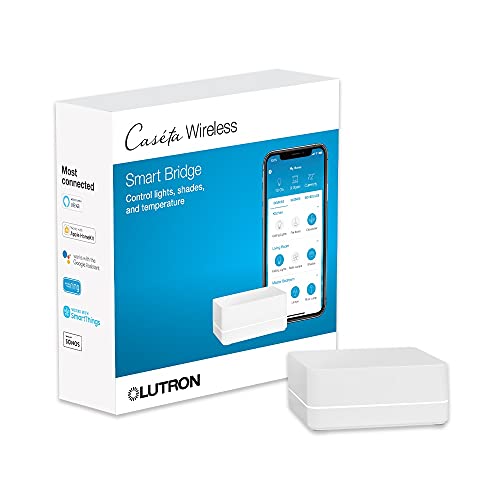
- Designed for up to 75 Caseta devices
- Clear Connect avoids competing with Wi-Fi traffic
- Integrates with Alexa, Apple HomeKit, Google, and more
Best For: Homes focused on dependable Caseta lighting control
Best Privacy-Focused Matter Bridge

- Prioritizes local automations with encrypted local storage
- Bridges Aqara Zigbee and Thread devices to Matter
- Offers PoE, Wi-Fi, IR control, and flexible mounting
Best For: Aqara households seeking local scenes and Matter integration
Best Long-Range Sensor Hub

- Listed range reaches up to 0.25 miles
- Supports smartphone, voice, and motion alerts
- Wired hub with compact plug-in design
Best For: YoLink sensor users needing extended-range connectivity
Best Balanced Ecosystem Hub
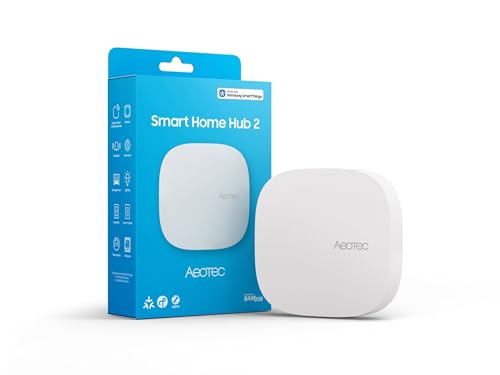
- Matter and Zigbee support
- Local automation capability
- No Z-Wave support
Best For: SmartThings users building a Matter- and Zigbee-based home
Best Local Bridge
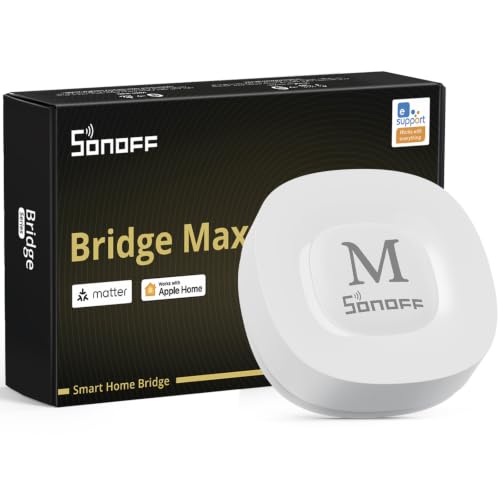
- LAN web console without cloud reliance
- Matter bridge for multiple ecosystems
- Home Assistant and MQTT support
Best For: Privacy-minded users integrating Zigbee devices locally
Best Compact Local Automation Hub
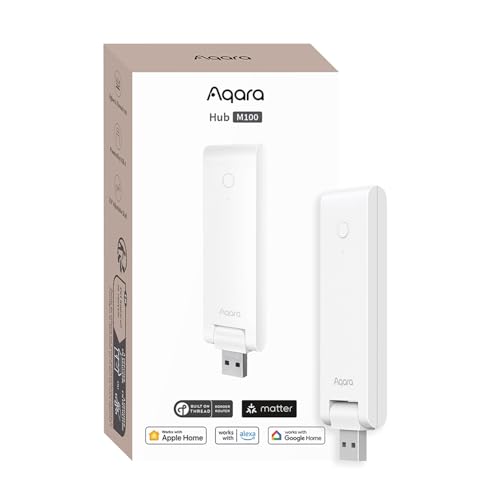
- Local Zigbee and Matter automations
- Thread and Matter bridge support
- Aqara-only Zigbee compatibility
Best For: Aqara households wanting fast local automations
Best Tuya Multi-Protocol Pick
Zigbee & Bluetooth Mesh Gateway

- Combines Zigbee 3.0 and Bluetooth Mesh
- Supports up to 128 Tuya devices
- Includes app, automation, and voice control
Best For: Tuya and Smart Life device owners needing a compact multi-protocol bridge
Best Broad-Compatibility Option

- Supports Z-Wave, Zigbee, Wi-Fi, BLE, and infrared
- Works with thousands of device brands
- Includes three months of Homey Premium
Best For: Multi-brand homes that need broad protocol support and app-based automation
Best Simple Zigbee Gateway
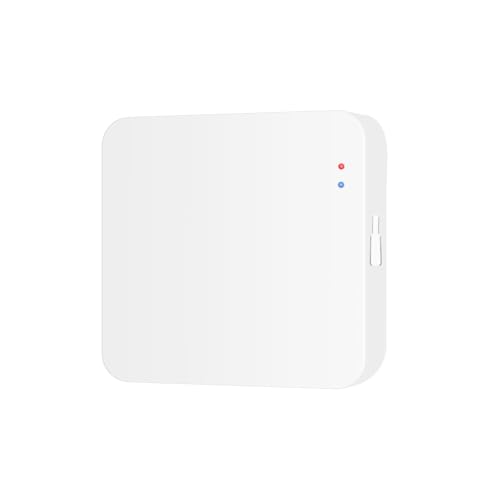
- Connects Zigbee devices to Smart Life
- Supports Alexa and Google Home
- Handles up to 128 sub-devices
Best For: Smart Life households building a basic Zigbee setup
Best Local-First Hub – Hubitat Elevation C-8 Pro
For shoppers seeking smart home hubs without cloud access, the Hubitat Elevation C-8 Pro stands out with local automation processing. Lights, locks, thermostats, and routines can continue responding when the internet is unavailable, while broad protocol support helps unify an existing device collection.
Best For: Privacy-conscious DIY users building complex, responsive automations across mixed device brands.
Pros:
- Runs automations locally for fast response and continued operation during internet outages.
- Supports Matter, Z-Wave 800 Series, Zigbee 3.0, and Bluetooth with extended-range antennas.
- Works with Alexa, Google Home, and Apple HomeKit, with no recurring subscription required.
- Rule Machine and an AI-assisted builder support both advanced and approachable automation design.
Cons:
- Advanced configuration may be more involved than a basic plug-and-play hub.
- The broad feature set and community-driven customization may appeal more to DIY users than beginners.
The C-8 Pro is the strongest fit here for buyers who prioritize local control, protocol flexibility, and sophisticated routines. Its compatibility range and subscription-free platform make it a durable foundation for a growing smart home.
Best Lighting-Centered Hub – Lutron Caseta Smart Hub
The Lutron Caseta Smart Hub is a practical choice for households centered on reliable lighting control. While it connects to a router, its Clear Connect technology keeps Caseta lighting communication separate from Wi-Fi traffic, making it especially appealing to shoppers comparing smart home hubs without cloud access for a Lutron-focused setup.
Best For: Caseta households that want straightforward lighting control and integration with popular smart-home platforms.
Pros:
- Supports up to 75 Caseta devices for expandable lighting installations.
- Works with Alexa, Apple HomeKit, Google Assistant, Ring, Serena shades, and Sonos.
- Clear Connect technology avoids competing with Wi-Fi-connected devices.
- Setup is simple: connect it to a router, install the Lutron app, and follow the instructions.
Cons:
- It is primarily designed for Lutron Caseta devices rather than broad multi-protocol smart-home control.
- Caseta dimmers, switches, and coordinating accessories are sold separately.
- The supplied information does not establish fully offline operation for every feature.
This hub makes the most sense when Lutron Caseta is the center of your home’s lighting system. It offers easy installation and strong ecosystem support, but buyers seeking broad local automation should look at a more general-purpose hub.
Best Privacy-Focused Matter Bridge – Aqara Smart Home Hub M3
The Aqara Smart Home Hub M3 is a strong option for shoppers evaluating smart home hubs without cloud access, thanks to its Edge Hub design and local automation priority. It combines Aqara Zigbee and Thread support with Matter bridging, encrypted local storage, wired connectivity, and an IR blaster for compatible air conditioners and other devices.
Best For: Aqara users who want local scenes, Matter integration, and flexible wired or wireless installation.
Pros:
- Prioritizes local control and can shift compatible automations from older Aqara hubs to local operation.
- Supports Aqara Zigbee, Thread, Matter bridging, Bluetooth, dual-band Wi-Fi, and PoE.
- Includes 8GB of end-to-end encrypted local storage and has no microphone or camera.
- The 360-degree IR blaster provides feedback and can expose a compatible AC as a Matter thermostat.
Cons:
- Some cloud-based notifications still require an internet connection.
- Zigbee support is limited to Aqara Zigbee devices, not third-party Zigbee devices.
- A 2A USB power adapter is not included.
The M3 is a versatile privacy-oriented choice, particularly for an Aqara-based installation that also uses Matter or Home Assistant. Its local emphasis is strong, but buyers should account for the remaining cloud-dependent notifications and ecosystem-specific device limits.
Best Long-Range Sensor Hub – YoLink Smart Home Hub YS1603
The YoLink Smart Home Hub YS1603 is a compact wired hub for YoLink devices, with a listed maximum range of up to 0.25 miles. For shoppers comparing smart home hubs without cloud access, it is worth considering primarily as a focused hub for long-range alerts and sensor-based monitoring rather than as a broadly documented offline automation platform.
Best For: YoLink users who need extended-range connectivity for compatible sensors and motion alerts.
Pros:
- Offers a listed maximum range of up to 0.25 miles.
- Supports smartphone compatibility, voice control, and motion alerts.
- Uses a wired connection and plugs in for straightforward installation.
- Compact design measures 4.33 by 4.33 by 1.06 inches.
Cons:
- The supplied notes do not confirm fully local automation or offline operation.
- It is presented as a regular hub without battery backup.
- The available specifications are less detailed about broader protocol and ecosystem compatibility.
The YS1603 is best viewed as a purpose-built YoLink connectivity hub. Its long-range specification can be useful for distributed sensors, but shoppers specifically requiring cloud-independent automations should verify offline behavior before buying.
Best Balanced Ecosystem Hub – Aeotec Smart Home Hub2 V4
The Aeotec Smart Home Hub2 V4 is a practical choice for smart home hubs without cloud access when you want SmartThings compatibility, Matter and Zigbee support, and local automation capability. It connects by Wi-Fi or Ethernet and is designed to keep many routines running during temporary internet outages.
Best For: SmartThings users building a Matter- and Zigbee-based home without Z-Wave devices.
Pros:
- Supports Matter, Zigbee, SmartThings, Alexa, and Google Assistant.
- Local automation execution can maintain many routines during internet outages.
- Wi-Fi and Ethernet provide flexible installation options.
Cons:
- Does not support Z-Wave devices.
- Some SmartThings features or automations may still depend on internet connectivity.
This hub suits households already invested in SmartThings or planning around Matter and Zigbee. Check device compatibility carefully, especially if your setup includes Z-Wave products.
Best Local Bridge – SONOFF Bridge Max Bridge-M
The SONOFF Bridge Max is one of the more direct options for smart home hubs without cloud access. Its local web console works over your LAN, while Matter bridging connects Zigbee, BTHome, and eWeLink devices with Apple Home, Alexa, Google Home, and Home Assistant.
Best For: Privacy-minded users who want local configuration, Zigbee support, and broad Matter ecosystem integration.
Pros:
- Local web console works without relying on cloud services.
- Bridges Zigbee, BTHome, and eWeLink devices to Matter platforms.
- Supports Home Assistant through MQTT and includes local automation options.
- Built-in 90 dB alarm supports local security use with compatible sensors.
Cons:
- Its primary device support centers on Zigbee, BTHome, and eWeLink ecosystems.
- Mobile notifications may involve online connectivity even when local functions remain available.
The Bridge-M is especially compelling if a LAN-based interface and Home Assistant support matter more than a traditional all-in-one platform. Confirm that your devices use supported protocols before buying.
Best Compact Local Automation Hub – Aqara Smart Hub M100
The Aqara Smart Hub M100 is a compact option for smart home hubs without cloud access, with local execution for Aqara Zigbee and Matter automations. It also acts as a Matter bridge for Aqara devices and supports Thread, although its Zigbee compatibility is limited to Aqara products rather than third-party Zigbee devices.
Best For: Aqara households that want fast local automations and Matter integration in a small, flexible hub.
Pros:
- Runs Zigbee and Matter automations locally, including without Wi-Fi or cloud access.
- Supports Thread devices and bridges Aqara Zigbee products to Matter ecosystems.
- Compact USB-A-powered design with an adjustable 210-degree shaft.
- Supports Apple Home, Amazon Alexa, and Home Assistant through Matter bridging.
Cons:
- Does not support third-party Zigbee devices.
- A 5V/0.5A power adapter is required but not included.
- Cloud push notifications still require a cloud connection.
The M100 is a strong fit when your devices are primarily Aqara or Matter-based and you value quick local responses. It is less suitable for mixed Zigbee installations that rely on products from many brands.
Best Tuya Multi-Protocol Pick – Zigbee & Bluetooth Mesh Gateway
For shoppers comparing smart home hubs without cloud access, this gateway is best understood as a Tuya- and Smart Life-focused bridge rather than a general-purpose local hub. It combines Zigbee 3.0 and Bluetooth Mesh support, while its app provides remote control and automation features.
Best For: Tuya or Smart Life households that need one gateway for Zigbee and Bluetooth Mesh devices.
Pros:
- Supports Zigbee 3.0 and Bluetooth Mesh devices through one gateway.
- Can connect up to 128 compatible Tuya smart-home devices.
- Offers app control, group control, automation, and Alexa or Google Home voice control.
Cons:
- Supports Tuya and Smart Life devices only.
- Remote control and voice features depend on the app and supported integrations.
This is a compact, capable option for a tightly integrated Tuya ecosystem. It is less suitable if you want broad cross-brand compatibility or are specifically seeking a hub designed for fully local, cloud-free operation.
Best Broad-Compatibility Option – Homey Bridge Smart Home Hub
Among smart home hubs without cloud access, the Homey Bridge stands out for its wide protocol and brand support, though the supplied features emphasize app-based automation and privacy rather than confirmed fully local operation. It supports Z-Wave Plus, Zigbee, Wi-Fi, Bluetooth LE, and infrared.
Best For: Multi-brand households that want automation across Z-Wave, Zigbee, Wi-Fi, Bluetooth, and infrared devices.
Pros:
- Supports several major smart-home protocols, including Z-Wave Plus, Zigbee, Wi-Fi, BLE, and infrared.
- Works with many brands, including Philips Hue, Sonos, IKEA, Yale, Aqara, and more.
- Supports app-based Flows and optional Alexa, Siri Shortcuts, or Google Assistant control.
Cons:
- Homey Premium is required for more than five devices and Homey Insights after the included three-month period.
- Compatibility should be checked in the Homey App Store before purchase.
- The supplied information does not confirm completely cloud-free operation.
Homey Bridge is the strongest choice here for households mixing brands and protocols. Its privacy-first positioning is appealing, but buyers specifically avoiding cloud access should verify which functions work locally and whether a subscription is acceptable.
Best Simple Zigbee Gateway – Smart Life Zigbee Hub
For shoppers seeking smart home hubs without cloud access, this Martin Jerry gateway is a straightforward Zigbee-to-Smart Life bridge, but its listed features do not establish that it operates fully offline. It connects Zigbee devices with Smart Life, Alexa, and Google Home rather than serving as a Wi-Fi device hub.
Best For: Smart Life users who need a basic Zigbee gateway for compatible sensors and other sub-devices.
Pros:
- Designed specifically for Zigbee smart-home devices and Smart Life.
- Supports Alexa and Google Home integration.
- Can support up to 128 sub-devices.
- Includes a stated 90-day refund policy and one-year quality warranty.
Cons:
- It is a Zigbee gateway, not a Wi-Fi device hub.
- The required 5VDC, 1A USB-C cable is not included.
- The supplied details do not confirm local, cloud-free control.
This hub makes sense when your setup centers on Zigbee and Smart Life and you want a simple, low-weight gateway. Confirm device compatibility and offline requirements before buying, especially if avoiding cloud services is essential.
How We Picked the Best Smart Home Hubs Without Cloud Access
We focused on hubs that can coordinate smart devices through local or substantially local processing, rather than relying entirely on remote servers. We also considered protocol support, including Zigbee, Z-Wave, Matter, Wi-Fi, Bluetooth, infrared, and proprietary wireless standards; compatibility with major voice platforms; automation flexibility; setup requirements; and suitability for both beginners and advanced users.
“Without cloud access” does not always mean every feature works offline. Some hubs support local device control while still requiring cloud services for remote access, account setup, firmware updates, voice assistants, or selected integrations. Check the manufacturer’s current documentation before buying.
Quick Comparison
Hubitat Elevation and Homey Bridge are strong choices for users who want broad protocol support and advanced automation. Lutron Caseta is particularly appealing for reliable lighting control, while Aqara’s M3 and M100 hubs suit Matter-focused ecosystems and Aqara devices. Aeotec’s Smart Home Hub2 is a SmartThings-oriented option with Zigbee and Matter support but no Z-Wave. YoLink and SONOFF are better suited to their respective device families, while generic Zigbee gateways work best when compatibility is confirmed in advance.
Key Buying Factors for Smart Home Hubs Without Cloud Access
Local Processing and Offline Behavior
Look for documented local automations, local device control, and clear offline limitations. A hub may continue running schedules and sensor-based routines without internet access but lose remote control, notifications, voice commands, or third-party integrations.
Protocol Compatibility
Choose a hub that matches your current devices and future plans. Zigbee and Z-Wave offer extensive device choices, Matter can simplify cross-platform compatibility, and Wi-Fi hubs may be easier to install but can increase network traffic. Infrared support is useful for televisions, air conditioners, and other legacy equipment.
Automation Depth and Reliability
Consider whether you need simple scenes or complex rules involving conditions, variables, presence, and timed actions. Also check recovery behavior after power or network interruptions, firmware support, and whether automations are easy to back up.
Privacy, Remote Access, and Setup
Review account requirements, data-sharing policies, remote-access methods, and mobile-app permissions. Advanced local hubs may require more configuration, while appliance-specific gateways can be easier but less flexible.
Who Should Buy Which Smart Home Hubs Without Cloud Access?
Choose Hubitat if local-first automation and broad device support are your priorities. Pick Lutron Caseta for dependable smart lighting with a focused ecosystem. Aqara hubs are a good fit for Aqara accessories and Matter-based setups. Consider Aeotec for a SmartThings-style experience, YoLink or SONOFF when you already own devices in those ecosystems, and Homey Bridge when you want wide protocol coverage in a polished platform.
Generic Zigbee gateways are best for budget-conscious buyers who have verified device compatibility. Before ordering, list every sensor, lock, switch, and voice platform you plan to use, then confirm both protocol support and offline functionality rather than relying on the product name alone.