
Choosing the best memory cards for archiving means balancing capacity, durability, compatibility, and sustained performance—not simply picking the card with the highest advertised speed.
We selected 10 options spanning SD, microSD, CFast, and CFexpress formats to suit photographers, videographers, and everyday users building organized backup libraries.
Best 10 Memory Cards for Archiving Picks for 2026
Best All-Around SD Card

- 256GB SDXC card with 4K UHD support
- Up to 170MB/s listed transfer speed; V30 rated
- Protective design, mini case, and five-year warranty
Best For: Camera and camcorder media archiving
Best microSD Value

- 256GB microSDXC capacity with included adapter
- Up to 150MB/s listed read speed and A1 rating
- 10-year warranty with water- and temperature-proof features
Best For: Mobile-device and laptop file archiving
Best Two-Pack

- Two 128GB full-size SDXC cards
- Class 10, U3, and V30 ratings for 4K capture
- Durable, water-resistant, shock-resistant construction
Best For: Camera users needing a spare archival card
Best Professional CFast Card
SanDisk Extreme PRO 256GB CFast 2.0

- 256GB CFast 2.0 capacity for professional cameras
- Up to 525MB/s read and 450MB/s write speeds
- VPG 130 support for sustained 4K recording
Best For: Professional CFast 2.0 video archiving
Everyday Camera Archive Pick

- 128GB capacity for photo and Full HD video libraries
- Up to 140MB/s advertised read speed
- Class 10/U1 rating with protective construction
Best For: Everyday photo archiving in compact and mid-range cameras
Professional RAW Archive Card
SanDisk Extreme PRO CFexpress Type B
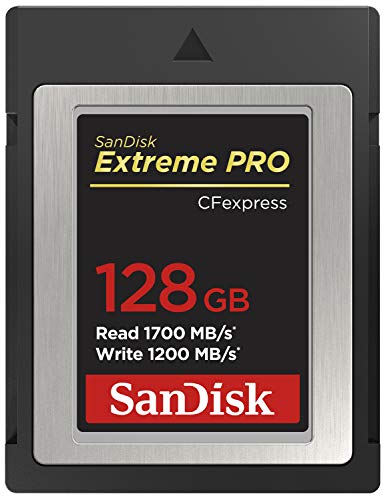
- Up to 1700MB/s read and 1200MB/s write for 128GB
- Built for RAW 4K and low-latency recording
- Recovery software included after registration
Best For: Compatible professional cameras and high-speed RAW archiving
Fast 4K Archive Starter

- Up to 200MB/s reads with compatible equipment
- Up to 90MB/s writes for 4K and burst shooting
- Durable waterproof, shockproof, and X-ray-proof design
Best For: Compact 4K projects and quick card rotation
Balanced Archive Capacity
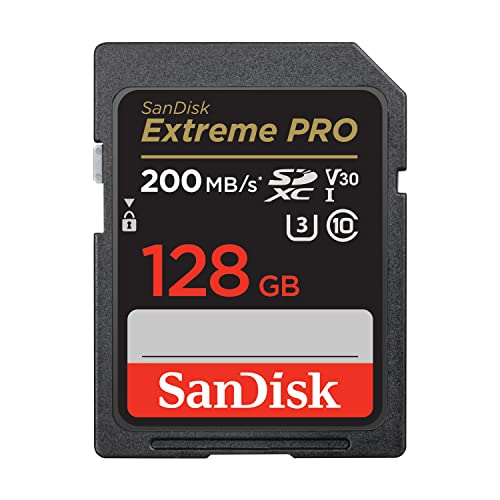
- 128GB capacity reduces frequent card swaps
- Up to 200MB/s reads and 90MB/s writes
- U3 and V30 support 4K and burst photography
Best For: Everyday 4K shooting and versatile media storage
Professional High-Capacity Archive
SanDisk Extreme PRO 256GB UHS-II

- 256GB capacity for longer 4K and 8K recording
- Up to 300MB/s read and write speeds
- IP68 protection and six-meter drop testing
Best For: Professional high-resolution video and large archives
Best All-Around SD Card – GIGASTONE 256GB 4K Camera Pro
For shoppers comparing memory cards for archiving camera photos and video, the GIGASTONE 256GB 4K Camera Pro offers full-size SDXC capacity with 4K UHD support and a V30 rating. Its protective construction and included mini case add practical storage convenience.
Best For: Digital cameras, DSLR cameras, HD camcorders, and PC-based media archiving.
Pros:
- 256GB capacity with support for 4K UHD video.
- Up to 170MB/s listed transfer speed and V30 classification.
- Waterproof, temperature-proof, shock-proof, magnetic-proof, and x-ray-proof design.
- Includes a mini case and five-year manufacturer warranty.
Cons:
- Full-size SD format is not intended for microSD-only devices.
- Actual performance may vary by camera, computer, and other hardware.
This is a versatile pick when you need one full-size card for everyday camera capture and longer-term file storage, especially if durability and a protective case matter.
Best microSD Value – SanDisk Ultra 256GB microSDXC
If your archive starts on a phone, tablet, Chromebook, or compatible laptop, the SanDisk Ultra 256GB microSD card is a compact option. It combines 150MB/s listed read speeds, A1 app performance, broad device compatibility, and a supplied adapter.
Best For: Android devices, tablets, Chromebooks, Windows laptops, and compatible cameras using microSD storage.
Pros:
- 256GB capacity for photos, videos, shows, and other files.
- Up to 150MB/s listed read speed.
- A1-rated performance for faster app loading.
- Includes an adapter and has a 10-year limited warranty.
Cons:
- Listed as V10 rather than a higher video speed class for demanding 4K capture.
- Not compatible with Nintendo Switch 2 according to the supplied listing.
- microSD format may require an adapter for full-size SD slots.
Choose this card for compact, everyday archiving from mobile devices and general storage. Its long warranty and included adapter improve flexibility, while demanding camera users should verify the required video rating first.
Best Two-Pack – PNY Elite-X 128GB SDXC 2-Pack
The PNY Elite-X 128GB two-pack is useful when archiving means keeping a working card and a spare. Each full-size SDXC card carries Class 10, U3, and V30 ratings, making the set suitable for burst photography, HD capture, and 4K UHD recording on compatible equipment.
Best For: Photographers and videographers who want two cards for cameras, camcorders, and computer transfers.
Pros:
- Two 128GB SDXC cards provide backup or rotation flexibility.
- U3 and V30 ratings support burst photography and 4K UHD video.
- Up to 100MB/s listed read speed.
- Magnet-proof, shock-proof, temperature-proof, and waterproof construction.
Cons:
- Each card holds 128GB, less than the 256GB options in this roundup.
- Full-size SD cards are not suitable for devices that accept only microSD.
- Actual transfer speed depends on the host device and workflow.
This set makes practical sense for archiving workflows that benefit from card rotation or an immediate spare. The V30/U3 ratings add confidence for compatible 4K-capable cameras without committing to a single larger card.
Best Professional CFast Card – SanDisk Extreme PRO 256GB CFast 2.0
For professional cameras that specifically use CFast 2.0, the SanDisk Extreme PRO 256GB is the performance-focused choice among these memory cards for archiving. It lists up to 525MB/s reads, up to 450MB/s writes, and VPG 130 support for cinema-quality 4K recording.
Best For: Professional ARRI, Blackmagic Design, and Canon cameras or camcorders with CFast 2.0 technology.
Pros:
- 256GB capacity for high-volume professional media.
- Up to 525MB/s read and 450MB/s write speeds listed.
- VPG 130 supports a minimum sustained 130MB/s write speed for cinema-quality 4K video.
- Lifetime limited warranty, with regional exceptions noted by the manufacturer.
Cons:
- Works only with compatible CFast 2.0 equipment, not standard SD or microSD slots.
- Professional performance comes with a specialized use case.
- Actual speeds may be lower depending on the host device.
This is the right fit when your camera requires CFast 2.0 and sustained write performance matters. For ordinary SD-based archiving, its specialized format offers no compatibility advantage.
Everyday Camera Archive Pick – SanDisk Ultra 128GB SDXC
For photographers building a dependable collection of memory cards for archiving, the SanDisk Ultra 128GB SDXC offers practical capacity for large picture libraries and Full HD video. Its UHS-I, Class 10, and U1 ratings make it a sensible fit for compatible compact and mid-range cameras.
Best For: Compact to mid-range point-and-shoot cameras, camcorders, and everyday photo archiving.
Pros:
- 128GB capacity stores substantial photo and video collections.
- Advertised read speeds reach up to 140MB/s with compatible equipment.
- Class 10 and U1 ratings support Full HD video recording.
- Water-, temperature-, drop-, magnetic-, and X-ray-proof construction.
Cons:
- U1 performance is less suited to demanding 4K recording or sustained burst shooting.
- Maximum advertised speed depends on the host device and usage conditions.
This is a straightforward archival card for everyday cameras, especially when capacity and broad durability matter more than professional-level write performance.
High-Capacity 4K Archive Choice – SanDisk Extreme 256GB SDXC
When memory cards for archiving also need to handle demanding capture, the SanDisk Extreme 256GB SDXC provides extra room and stronger video specifications. Its U3 and V30 ratings are designed for compatible 4K UHD recording, while the larger capacity helps reduce card changes during photo and video work.
Best For: 4K UHD video, sequential burst photography, and larger camera archives.
Pros:
- 256GB capacity provides substantial storage for photos and video.
- Advertised read speeds reach up to 180MB/s, with write speeds up to 130MB/s.
- U3 and V30 ratings support compatible 4K UHD recording workflows.
- Water-, temperature-, and X-ray-proof design.
Cons:
- Peak speeds require compatible devices and may require the SanDisk Professional PRO-READER for maximum offload performance.
- 4K support depends on the camera, file attributes, and other conditions.
This is the more versatile SD option for an archive workflow that includes high-resolution video or burst photography, though its rated performance still depends on compatible hardware.
Professional RAW Archive Card – SanDisk Extreme PRO CFexpress Type B
For professional cameras producing large RAW files, the SanDisk Extreme PRO CFexpress Type B is a high-speed option for memory cards for archiving. Its advertised read and write performance is built for low-latency recording and faster file handling, but compatibility must be confirmed because this is a CFexpress Type B card.
Best For: Compatible professional cameras recording RAW files and 4K video.
Pros:
- Advertised speeds reach up to 1700MB/s read and 1200MB/s write for the 128GB version.
- Designed for low-latency, high-speed recording and workflow efficiency.
- Supports smooth RAW 4K video on compatible host devices.
- RescuePRO Deluxe recovery software is included with registration and download.
Cons:
- CFexpress Type B compatibility is limited to cameras that support the format.
- The listed 128GB capacity is smaller than the 256GB SDXC alternative.
- Select XQD-camera compatibility requires a manufacturer firmware update.
This card is the specialist choice for demanding capture and rapid transfers. It makes the most sense when your camera supports CFexpress Type B and your archive workflow benefits from high sustained performance.
Fast 4K Archive Starter – SanDisk Extreme PRO 64GB SDXC
SANDISK 64GB Extreme PRO SDXC UHS-I Memory Card - C10, U3, V30, 4K UHD, SD Card - SDSDXXU-064G-GN4IN
Check Price On AmazonFor photographers and videographers building memory cards for archiving, this 64GB SanDisk Extreme PRO SDXC card offers a practical balance of capacity, fast transfers, and 4K-ready performance. It supports up to 200MB/s read speeds with compatible equipment and up to 90MB/s write speeds.
Best For: 4K UHD recording, sequential burst photography, and smaller archive batches that need quick offloading.
Pros:
- Up to 200MB/s read speeds with compatible readers and devices.
- Up to 90MB/s write speeds for 4K UHD video and burst photography.
- U3 and V30 ratings support sustained 4K-oriented recording workloads.
- Waterproof, temperature-proof, shockproof, and X-ray-proof construction.
Cons:
- Its 64GB capacity may require more frequent card changes or offloads.
- Maximum read speed requires compatible hardware, including a suitable reader.
This is a strong entry point for organized media archiving when speed and durability matter more than maximum capacity. Its limited storage is best suited to rotating cards or relatively compact projects.
Balanced Archive Capacity – SanDisk Extreme PRO 128GB SD
When choosing memory cards for archiving, the 128GB SanDisk Extreme PRO provides more working room than a 64GB card while retaining fast transfer and capture performance. It delivers up to 200MB/s read speeds and up to 90MB/s write speeds with compatible devices.
Best For: Photographers and videographers who want a versatile card for 4K UHD, burst shooting, and longer shooting sessions.
Pros:
- 128GB capacity offers more space before an archive offload is needed.
- Up to 200MB/s read speeds can streamline transfers with compatible hardware.
- Up to 90MB/s sequential write performance supports 4K UHD and burst capture.
- Temperature-proof, waterproof, shockproof, and X-ray-proof design.
Cons:
- Advertised top speeds depend on the host device and compatible reader.
- It uses the UHS-I interface rather than the faster UHS-II standard.
The 128GB version is a sensible middle ground for archive workflows: enough capacity for many shoots without moving into the larger-card tier. It is particularly practical for users who regularly capture 4K or sequential bursts.
Professional High-Capacity Archive – SanDisk Extreme PRO 256GB UHS-II
For demanding memory cards for archiving workflows, this 256GB SanDisk Extreme PRO UHS-II card combines substantial capacity with up to 300MB/s read and write speeds. Its V90 rating and support for extended 4K and 8K recording make it suited to professional cameras and large media workloads.
Best For: Professional and enthusiast photographers or videographers recording high-resolution 4K and 8K footage.
Pros:
- 256GB capacity helps store longer shoots before offloading.
- Up to 300MB/s read and write speeds can accelerate capture and editing transfers.
- V90 performance is designed for demanding video recording workloads.
- IP68 water and dust resistance plus testing for drops up to 6 meters.
Cons:
- UHS-II speed benefits require compatible camera and reader hardware.
- Its professional performance may be more than needed for basic Full HD capture.
This is the most capable option in the group for large, high-bitrate archives. The combination of 256GB capacity, UHS-II speed, V90 classification, and physical protection makes it a compelling choice for users whose archive workflow starts at the camera.
How We Picked the Best Memory Cards for Archiving
We focused on cards with useful capacities, established speed ratings, and formats supported by common cameras, recorders, computers, and card readers. The lineup includes dependable everyday cards as well as faster professional media for demanding workflows. We also considered whether each card is appropriate for long-term storage, frequent transfers, or temporary capture before files are copied to a separate backup.
No memory card should be treated as a permanent archive by itself. Flash media can fail, be lost, or become unreadable, so important files should also be stored on a computer, external drive, or reputable cloud service.
Quick Comparison
| Card type | Best suited to | What to check |
|---|---|---|
| SDXC | Most cameras, laptops, and general photo/video storage | UHS speed class, capacity, and device compatibility |
| microSD | Phones, action cameras, drones, and compact devices | Adapter quality and host-device requirements |
| CFast 2.0 | Compatible professional cameras and cinema equipment | Exact CFast 2.0 support |
| CFexpress Type B | High-bitrate professional photo and video capture | Camera firmware, reader, and Type B support |
Key Buying Factors for Memory Cards for Archiving
Capacity and File Organization
Choose capacity based on file sizes and how often you can transfer footage. A 128GB card may suit photos and moderate video, while 256GB offers more room for high-resolution footage. Multiple smaller cards can reduce the risk of losing an entire shoot, but larger cards are more convenient for extended recording.
Compatibility Comes First
Confirm the camera’s supported card format, maximum capacity, bus standard, and speed requirements. An SDXC card will not replace a CFast or CFexpress card, and a fast UHS-II card may operate at lower speeds in a UHS-I device. For microSD cards, verify that the included adapter fits your reader or camera.
Speed Ratings and Sustained Recording
Read-speed claims mainly affect file transfers. For recording, look for the appropriate Video Speed Class, such as V30, and match it to your camera’s bitrate. Professional cameras may require CFast 2.0 or CFexpress to maintain sustained write performance.
Reliability and Backup Practice
Buy from a reputable seller, format the card in the device that will use it, and replace cards showing errors or degraded performance. After each shoot, copy files to at least two separate destinations and verify that the transfers completed successfully.
Who Should Buy Which Memory Cards for Archiving?
Everyday photographers: A reliable 128GB or 256GB SDXC card is usually the most practical choice for cameras and general archiving workflows.
4K creators: Choose a V30-rated SD card or faster media recommended by your camera, especially when recording high-bitrate footage or burst sequences.
Phone, drone, and action-camera users: A 256GB microSD card with the right speed rating offers convenient capacity, provided the device supports it.
Professional video and high-speed camera users: Choose CFast 2.0 or CFexpress Type B only when your equipment specifically supports that format. Their higher performance is valuable, but incompatible media is unusable.