
The best portable capture cards make it easier to stream console gameplay, record video, or turn a camera into a webcam without adding a bulky setup. The right choice depends on your source resolution, computer connection, software, and whether you need passthrough for high-refresh gaming.
This roundup compares 10 options ranging from compact 1080p USB devices to advanced HDMI 2.1 models, helping you match features and performance to your workflow.
Best 10 Portable Capture Cards Picks for 2026
Best Overall

- 4K60 HDR passthrough
- 1080p60 capture
- Compact, console-friendly design
Best For: Portable console streaming and recording
Best Value
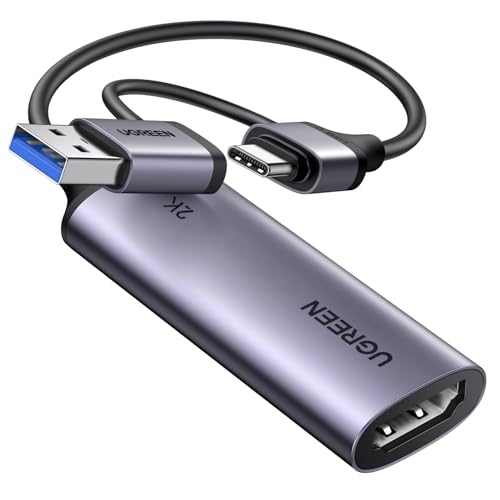
- 4K input and 2K output
- USB-A and USB-C interfaces
- Works across major operating systems
Best For: Flexible streaming across computers, tablets, and consoles
Best for Cameras

- Up to 4K60 video support
- Turns HDMI cameras into webcams
- Compact and ultra-low latency
Best For: Camera-based streaming, calls, and field monitoring
Best for HDR Passthrough
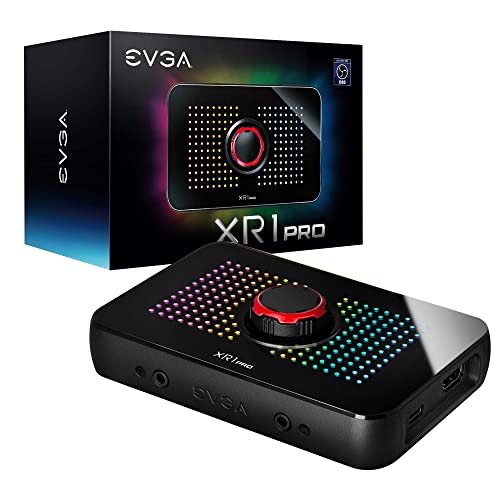
- 1440p144 and 4K60 HDR passthrough
- Captures up to 1440p60
- Built-in mixer and control dial
Best For: High-refresh HDR gaming setups with audio control
Premium 4K Performance

- 4K144 capture and HDMI 2.1 passthrough
- VRR support and up to 1080p240 capture
- USB 3.2 Gen 2 for low latency
Best For: Competitive gamers and high-end streamers
Portable Plug-and-Play Value
Guermok 4K USB3.0 Capture Card

- 1080p60 and 2K30 output options
- Compact design with no external power
- Compatible with USB-C, USB 3.0, and major apps
Best For: Traveling streamers and everyday capture
Easy Commentary Capture
acer USB 3.0 HDMI Capture Card

- 4K HDMI input with 1080p60 output
- Built-in 3.5mm mic-in for commentary
- USB Type-A and Type-C connectivity
Best For: Streamers needing simple microphone integration
Best Portable Capture Card for Flexible 4K Input

- 4K HDMI input with 2K30 or 1080p60 recording
- Plug-and-play USB 3.0 and USB-C connectivity
- Supports consoles, cameras, OBS, Windows, macOS, and Android
Best For: Mobile streamers and gamers needing broad compatibility
Best Portable Capture Card for 1080p60 Streaming
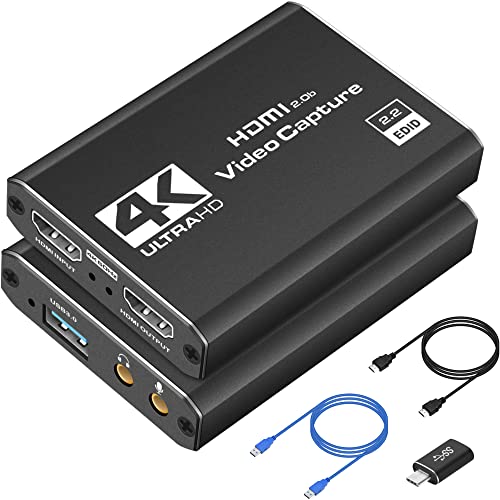
- 1080p60 video capture for smooth gameplay footage
- 4K HDMI real-time preview and HDMI loop-out
- Includes USB-C adapter and extension cables
Best For: Traveling creators and console streamers
Best Portable Capture Card for Simple USB Recording

- 4K30 HDMI input with 1080p30 USB capture
- Stereo audio and low-latency real-time preview
- Plug-and-play support for Windows, macOS, and Linux
Best For: Camera recording, teaching, conferencing, and basic streaming
Best Overall – Elgato Game Capture Neo
The Elgato Game Capture Neo is a strong all-around choice for portable capture cards, combining a smartphone-sized design with 4K60 HDR passthrough and 1080p60 capture. It works with major consoles and supports common streaming and video-call software without subscriptions or watermarks.
Best For: Console gamers who want compact, low-latency capture with high-quality passthrough.
Pros:
- 4K60 HDR passthrough while capturing at 1080p60
- Works with PlayStation, Xbox, Switch, iPhone, computers, and iPad
- Supports OBS, QuickTime, Discord, Teams, and Zoom
Cons:
- Capture resolution is limited to 1080p
- Requires a USB 3.0 connection
Its compact 93-gram build and broad software compatibility make it especially practical for portable setups. Choose it when smooth 4K passthrough matters more than recording above Full HD.
Best Value – UGREEN 2K HDMI Capture Card
UGREEN’s capture card is a versatile option among portable capture cards, offering 4K input, 2K output at 30fps, and 1080p capture at 60fps. Its USB-A and USB-C interfaces broaden compatibility with computers, tablets, phones, and devices such as the Quest 3.
Best For: Streamers who need flexible USB connectivity and support for multiple operating systems.
Pros:
- Supports 4K input, 2K output, and 1080p60 capture
- Includes both USB-A and USB-C interfaces
- Driver-free support for Windows, macOS, Linux, and compatible tablets
- Aluminum casing helps with heat dissipation and EMI shielding
Cons:
- HDMI input is unidirectional to USB output
- iPad compatibility requires iPadOS 17 or later
- Console HDCP must be disabled for supported PlayStation and Xbox sources
With broad device support and a lightweight 50-gram design, this is a practical multipurpose pick. Verify your source resolution, USB port, and HDCP settings before buying.
Best for Cameras – Elgato Cam Link 4K
The Elgato Cam Link 4K is one of the most focused portable capture cards for turning an HDMI-equipped DSLR, mirrorless camera, camcorder, or action camera into a computer-based webcam. It supports 1080p60 and up to 4K60 with a compatible camera and keeps latency low for live video.
Best For: Creators who want to use a dedicated camera for streaming, calls, or field monitoring.
Pros:
- Supports 1080p60 and up to 4K60 video
- Works with DSLR, mirrorless, camcorder, action cam, and iPhone sources
- Compatible with PC, Mac, iPad, OBS, Zoom, and Discord
- Very light 20.14-gram design
Cons:
- Designed around HDMI camera sources rather than direct console capture
- 4K60 requires a compatible camera and the latest Cam Link 4K model
This is the clearest choice for camera-based production rather than general console capture. Its tiny footprint and low-latency output suit desk, studio, and mobile creator workflows.
Best for HDR Passthrough – EVGA XR1 Pro Capture Card
The EVGA XR1 Pro stands out among portable capture cards for high-refresh HDR passthrough, supporting 1440p at 144Hz and 4K at 60Hz. It also captures up to 1440p60 or 4K30 and adds a built-in audio mixer, control dial, and customizable RGB lighting.
Best For: PC and console gamers who prioritize high-refresh HDR passthrough and hands-on audio control.
Pros:
- Supports 1440p144 HDR and 4K60 HDR passthrough
- Captures up to 1440p60 or 4K30
- Built-in audio mixer and physical control dial
- Plug-and-play setup with OBS certification
Cons:
- Limited to Windows according to the supplied specifications
- Requires USB 3.1 and an HDMI-compatible device
- Heavier and less compact than the other listed options
The XR1 Pro is better suited to a feature-rich desk setup than an ultra-light travel kit. Pick it when passthrough refresh rate, HDR, and onboard audio controls outweigh portability.
Premium 4K Performance – Elgato 4K X Capture Card
For creators who want a high-end option among portable capture cards, the Elgato 4K X combines HDMI 2.1, 4K144 capture and passthrough, VRR support, and USB 3.2 Gen 2 connectivity. It is designed for demanding console and PC streaming setups.
Best For: Competitive gamers and streamers using PS5, Xbox Series X, PC, or Mac who want high frame rates and very low latency.
Pros:
- Supports 4K144 capture and passthrough with HDMI 2.1.
- Handles up to 1080p240 capture and includes VRR passthrough.
- Works with OBS, Streamlabs, Twitch Studio, Zoom, Teams, and other popular apps.
- USB 3.2 Gen 2 helps keep gameplay and broadcasts synchronized.
Cons:
- Its advanced features require a compatible USB 3.2 Gen 2 system and capable hardware.
- USB 3.2 Gen 1 can reduce the available capture resolution.
- The listed capture resolution is 1080p, despite support for 4K passthrough.
The Elgato 4K X is the strongest fit here for high-refresh-rate gaming and advanced HDMI 2.1 setups. Choose it when performance features matter more than basic portability or simplicity.
Portable Plug-and-Play Value – Guermok 4K USB3.0 Capture Card
The Guermok is a practical choice among portable capture cards for everyday streaming, meetings, recording, and game capture. Its compact, bus-powered design supports HDMI input up to 4K at 30Hz and outputs up to 1080p at 60Hz.
Best For: Travelers, casual streamers, students, and users who need a small capture device for consoles, cameras, or online meetings.
Pros:
- Compact, lightweight, and requires no external power or additional drivers.
- Supports up to 1080p60 output and 2K30 output.
- Includes USB-C and USB 3.0 connectivity for broad device compatibility.
- Works with Windows, macOS, Linux, Android, OBS, VLC, Zoom, and major streaming platforms.
Cons:
- It is for capture only and cannot directly cast to a monitor or TV.
- USB 3.0 is recommended; adapters or USB 2.0 connections can limit performance.
- Software setup may require restarting OBS after configuring audio.
The Guermok offers a straightforward balance of portability and useful capture quality. It is a sensible budget-friendly pick for mobile setups, provided you use a suitable USB 3.0 connection and capture software.
Easy Commentary Capture – acer USB 3.0 HDMI Capture Card
The acer USB 3.0 HDMI Capture Card is a convenient option among portable capture cards when built-in microphone support matters. It accepts 4K HDMI input, provides 1080p output at 60Hz, and includes USB Type-A and Type-C ports for flexible setup options.
Best For: Gamers, teachers, and creators who want simple plug-and-play capture with direct 3.5mm microphone input.
Pros:
- Captures 4K input and delivers 1080p at 60Hz.
- Built-in mic-in supports direct commentary from compatible 3.5mm devices.
- Uses YUY2 technology for richer color than MJPEG, according to the supplied specifications.
- Works with OBS, XSplit, VLC, YouTube, Facebook, consoles, cameras, PCs, macOS, and Android.
Cons:
- A USB 3.0 port is required for USB 3.0 operation.
- The supplied specifications list 1080p and 720p capture resolutions rather than 4K capture output.
- Compatibility details vary across Windows, Mac, Linux, and other connected devices.
The acer model is a strong practical pick for users who want an uncomplicated setup and an easy way to add live voice commentary. Its 1080p60 output suits mainstream streaming, while the dual USB connector options add convenience.
Best Portable Capture Card for Flexible 4K Input – Compact USB 3.0 Capture Card
For shoppers comparing portable capture cards, this VIXLW model stands out for its USB 3.0 connectivity, compact design, and broad device support. It accepts HDMI input up to 4K at 30Hz and can record at 2K 30Hz or 1080p 60Hz, making it suitable for streaming, gameplay recording, and video meetings.
Best For: Gamers, streamers, and mobile creators who need a plug-and-play capture card for Windows, macOS, Linux, Android, or compatible tablets.
Pros:
- Supports 4K HDMI input with recording up to 2K at 30Hz or 1080p at 60Hz.
- USB 3.0 and USB-C connectivity with no drivers or external power required.
- Works with PS4, PS5, Xbox, Switch, cameras, OBS, Zoom, and other listed platforms.
- Compact aluminum-alloy housing is convenient for travel and mobile setups.
Cons:
- Its maximum listed capture output is 1080p, despite supporting higher-resolution HDMI input.
- Tablet use requires OTG functionality to be enabled.
This is a versatile choice when portability and compatibility matter most. Buyers seeking 1080p60 capture with 4K input support get a practical balance of quality, low-latency operation, and easy setup.
Best Portable Capture Card for 1080p60 Streaming – Compact HDMI Capture Device
This Dcyfol model is one of the more straightforward portable capture cards for streaming gameplay or recording video on a laptop. It supports 1080p at 60FPS capture, 4K HDMI real-time preview, and plug-and-play operation with popular software such as OBS Studio, Streamlabs, and XSplit.
Best For: Content creators and gamers who want a lightweight USB 3.0 capture device for PS5, PS4, Xbox, Switch, PC, or camera setups.
Pros:
- Captures smooth 1080p video at 60FPS.
- Offers 4K HDMI real-time preview and listed HDMI loop-out support.
- Compatible with major consoles, cameras, Windows, macOS, and streaming software.
- Includes USB and USB-C adapters plus extension cables for flexible setups.
Cons:
- Requires a USB 3.0 port on the computer.
- Its listed recording output is 1080p60 rather than 4K recording.
Choose this card if smooth 1080p gameplay is the priority and you appreciate included connection accessories. Its small, lightweight format also suits creators who frequently move between gaming stations, events, or LAN parties.
Best Portable Capture Card for Simple USB Recording – Audio Express AXHDCAP
The Audio Express AXHDCAP is a practical option among portable capture cards for recording HDMI video with stereo audio. It accepts HDMI input up to 4K at 30FPS while capturing through USB at up to 1080p30, and its plug-and-play design works with Windows, macOS, and Linux.
Best For: Users recording or streaming from DSLR cameras, camcorders, action cameras, gaming systems, or HDMI sources for teaching, conferences, and live broadcasts.
Pros:
- Supports HDMI input up to 3840×2160 at 30Hz and 1080p USB output at 30Hz.
- Provides stereo sound and real-time preview with low-latency transmission.
- Works with OBS, Twitch, YouTube, Zoom, VLC, and PotPlayer.
- Requires no drivers or external power supply.
Cons:
- Uses USB 2.0 and is not intended for USB 3.0 recording speeds.
- Maximum listed capture output is 1080p30, not 1080p60.
- It cannot add HDMI output to a laptop or computer without HDMI out.
This card makes the most sense for basic 1080p recording and streaming rather than high-frame-rate gameplay capture. Its wide software compatibility, stereo audio support, and simple installation are useful for education, conferencing, and camera-based production.
How We Picked These Portable Capture Cards
We focused on portable HDMI capture devices suitable for gaming, streaming, camera input, and video recording. The selection covers several performance tiers, including 1080p60 capture, 2K support, 4K input, HDR passthrough, and HDMI 2.1 connectivity. We also considered USB interface, expected compatibility with common streaming software, portability, and whether each model is better suited to casual recording or demanding high-refresh setups.
Product specifications can vary by source device, cable, operating system, and software settings. Capture resolution and passthrough resolution are not always the same, so check the manufacturer’s specifications before buying.
Quick Comparison
| Best For | Look For | Typical Strength |
|---|---|---|
| Console streaming | 1080p60 capture and HDMI passthrough | Smooth gameplay and broad compatibility |
| High-refresh gaming | HDMI 2.1 and 4K passthrough | Lower compromise at 4K and high frame rates |
| Camera streaming | Clean HDMI output and stable USB connection | Webcam-style video from DSLR, mirrorless, or action cameras |
| Basic recording | USB 3.0 and 1080p60 support | Affordable, simple setup for clips and live video |
Key Buying Factors for Portable Capture Cards
Capture Resolution and Frame Rate
1080p60 remains a practical target for most livestreams because it balances image quality, bandwidth, and computer load. If you record 4K footage, look for a card that explicitly supports 4K capture rather than only 4K input or passthrough. For fast games, confirm the supported frame rate at your chosen resolution.
Passthrough and Latency
Passthrough sends the source signal to a monitor or television while the card captures it on your computer. Look for low-latency passthrough when playing competitively. A device may accept a high-resolution signal while capturing at a lower resolution, so compare both specifications.
USB Connection and Compatibility
USB 3.0 or faster is generally preferable for uncompressed or higher-quality video. USB-C describes the connector, not necessarily the speed. Check whether the card works with your computer, console, camera, and preferred software such as OBS, Streamlabs, or video-editing applications.
Audio and Camera Features
Gamers should verify HDMI audio support and any microphone or mixer features. Camera users should confirm clean HDMI output, the absence of unwanted overlays, continuous power options, and whether the camera can maintain a stable signal during long sessions.
Who Should Buy Which Portable Capture Cards?
Choose a compact 1080p60 model if you mainly stream Nintendo Switch, PlayStation, Xbox, or older HDMI devices and want a straightforward setup. A 4K-input card is useful when your source outputs 4K but your stream or recording workflow remains at 1080p. Camera creators should prioritize clean HDMI, dependable USB performance, and audio compatibility over gaming-focused passthrough features.
For PS5, Xbox Series X, or PC gaming at 4K and high refresh rates, step up to an HDMI 2.1 capture card such as the Elgato 4K X. If you only need occasional clips or basic livestreaming, an inexpensive USB 3.0 option can provide the essential features without the cost of premium passthrough hardware.